1917 – 1925: The Early Years
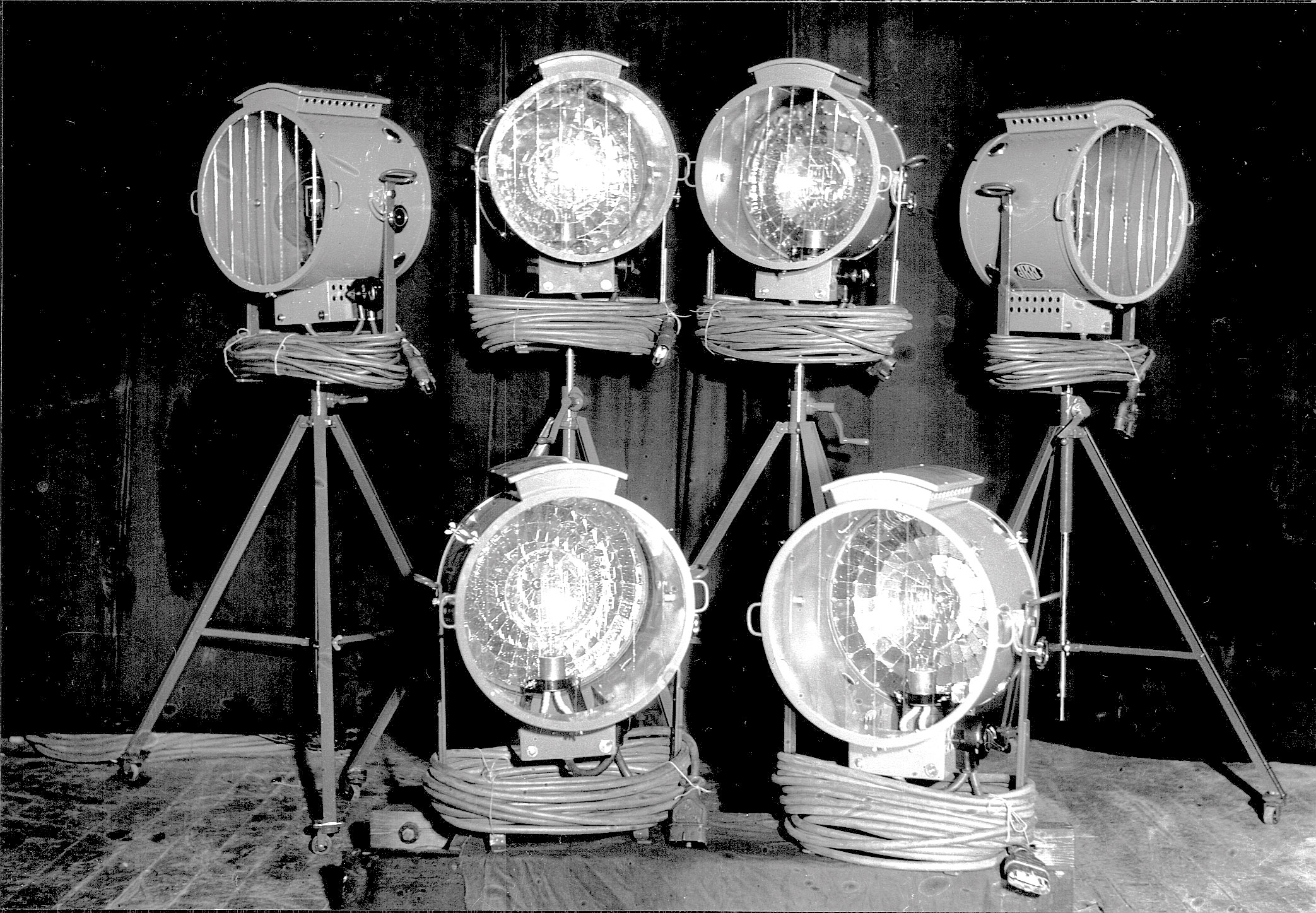
On September 12, 1917, August Arnold and Robert Richter founded ARRI in a small shop on Tuerkenstrasse in Munich to satisfy an eclectic assortment of interests, as announced on their business cards: “Fine mechanics, electrical devices, arc lamps, film apparatus, film printers, camera operating and projection.” Their first products were movie lights and printing machines. In the beginning, the boys were not even old enough to legally sign their business documents. One hundred years later, the company they started is still located at the same address, now much larger, with approximately 1,500 employees worldwide.
By the time Arnold and Richter set up their first shop on Tuerkenstrasse, cinema had been flourishing for 22 years. Their instinctive proclivity to get involved in all facets of cinema, not just building cameras or being cameramen, most likely helped in their success. It was the inception of an industry that would introduce universal ideas to more people than ever before, the democratization and globalization of an art form that would be seen by the largest audiences in history. The founders of ARRI set off on a cinematic path of eclectic invention to support a hobby that became a successful business conceived in a nimble, mobile, European style of production.
In Munich, Arnold and Richter were busy improving mechanisms, building printing machines and lighting equipment, and renting out their own cameras in between jobs to colleagues—pretty much the same things ARRI still does today. They also shot and acted in early German Westerns, with lugubrious titles like "Vengeance in the Valley of Gold" and "Deadly Cowboys," in the nearby Bavarian forests. In 1924, they built their first camera, the KINARRI 35. It had a pancake body shape like the Akeley, hand-cranked with 100' loads. Next came the KINARRI Model II Tropic, with an adjustable rotary shutter and a daylight film magazine. These were basically intended for the proliferating 35 mm amateur market. Richter was convinced that 16 mm would be more suitable for home movies, and the KINARRI 16 followed soon after.