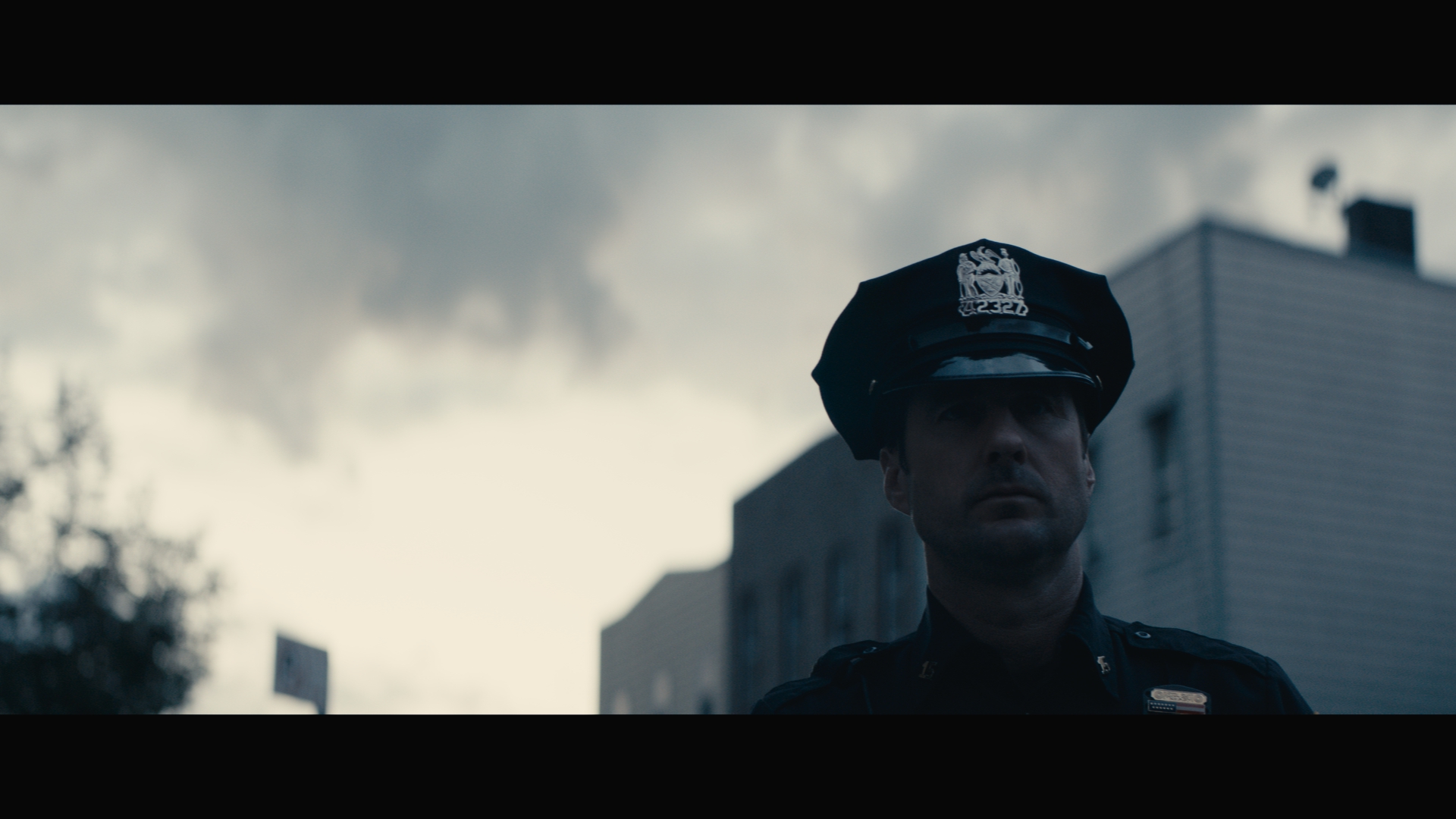
I knew with the ALEXA I could make it have the look that I was after, which was to have the movie be as real as possible and be very naturalistically lit -- not drawing attention to the lighting nor the camera work. When I knew that I was going to be shooting with the ALEXA, I wanted to take the camera to the next level.
So you went with the Master Anamorphics?
The Master Anamorphics blew me away and created a very rich texture in combination with the ALEXA. These lenses are fast; in the past it's been hard to shoot anamorphic on tight budgets because the lenses I wanted to use weren’t as fast. It was never practical for the low budget indie films that I was making. The anamorphic look just screams cinema: the flares, the bokeh, the aberrations of the lenses and all of those unpredictable qualities. Also, not everyone uses them and that's what makes it so special when you see it. In my opinion, they make everything just feel bigger. "Gus" [Lyn Gustafson of ARRI Rental NY] told me about the Master Anamorphics and invited me to come and test them out. I was only going to have three focal lengths (35mm, 50mm, 75mm), because that was all they had at the time. But I've been in situations before where I’ve had limited focal lengths, so I wasn't worried.
I couldn't have been more pleased with the qualities of the Master Anamorphics. Usually I go for older glass with the ALEXA because I am trying to rough up the edges a little. I already use diffusion filters on the lens anyways, so I figured I could try new glass for the first time. These lenses are sharp and have beautiful anamorphic qualities, but they are just slightly less erratic and more controllable than your usual anamorphics. You can flare them when you want and they are gorgeous flares -- such as rainbow circles. There were also blue, oval flares and the bokeh was just beautiful. They had such distinct qualities, but it wasn't too much to a point where it could be distracting. They were just right.