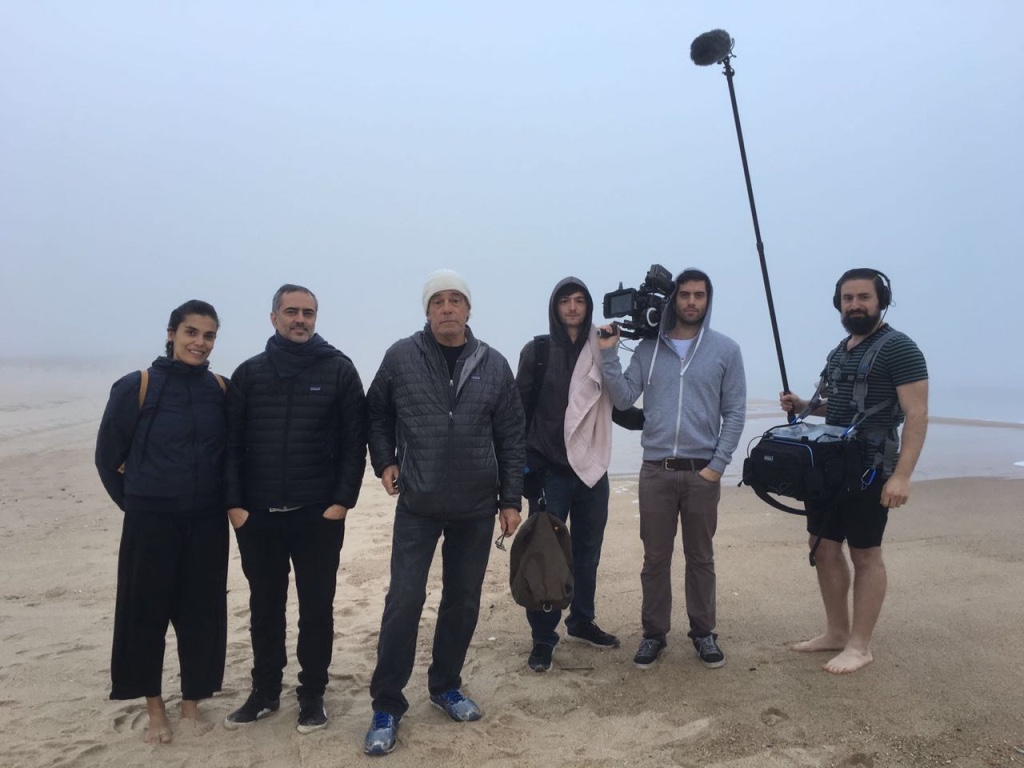
How did you prepare for the challenges you would face, shooting in India for example?
Even though I had never shot a documentary before, I was somewhat used to a “guerrilla” style. So, I knew we needed to be light. One of the first decisions we made was to abandon the tripod. That thing can be heavier and more difficult to carry then all the rest! We put everything we had in one big bag. And that was it.
You often shot at high frame rates. You used Zeiss Super Speeds. But how did this influence your choice of camera?
As an ALEXA user 99% of the time, I was sure I didn’t wanted to go with anything else but ARRI. So, the AMIRA was really an easy choice. 200 fps and fast lenses were essential for the look we were trying to get. Also, we couldn’t risk bringing a camera that couldn’t deal well with the extreme situations.
Were you operating alone? How did the ergonomics of the AMIRA help you?
Yes. I had one assistant that would help me with everything. But I was operating and pulling focus alone. For me the AMIRA is the digital camera with the best ergonomics, it perfectly fits the shoulder and has the perfect balance when you hold it from above for lower shots. Also, all the user buttons and the internal NDs were something that really saved us lots of time.