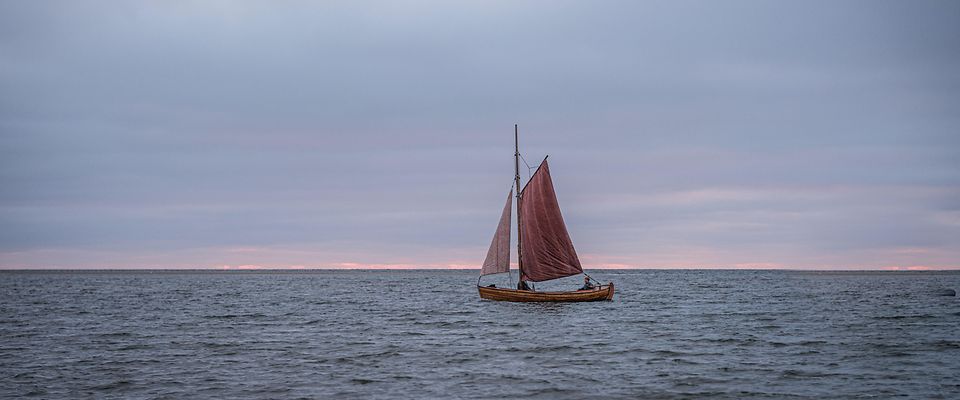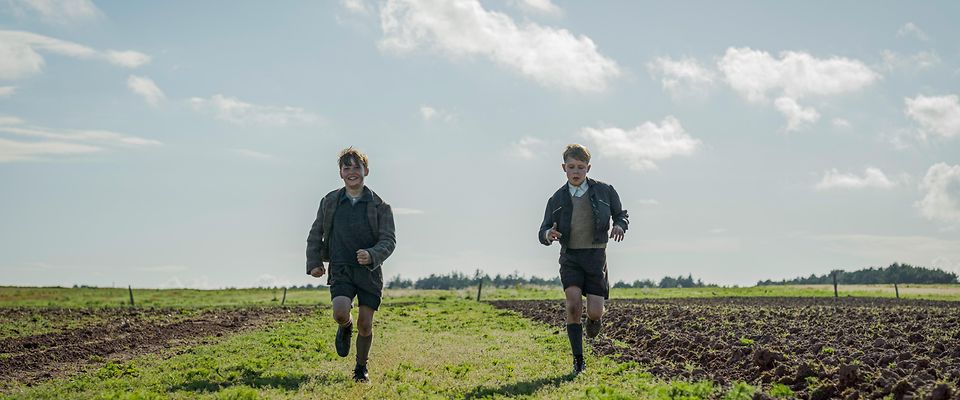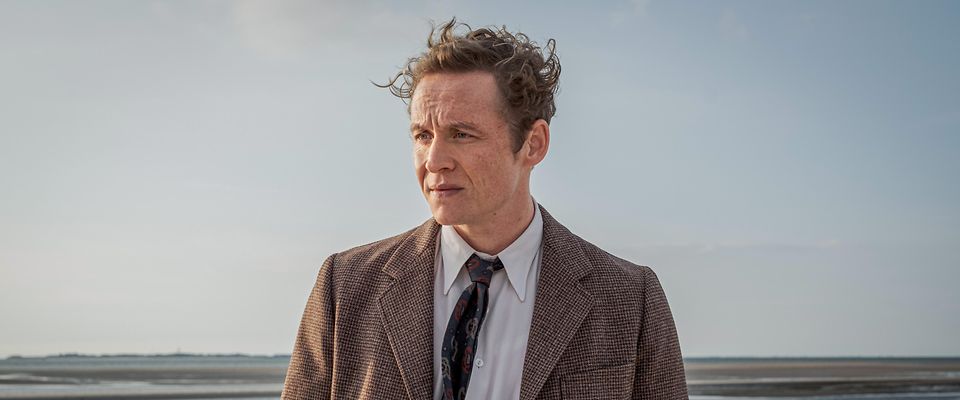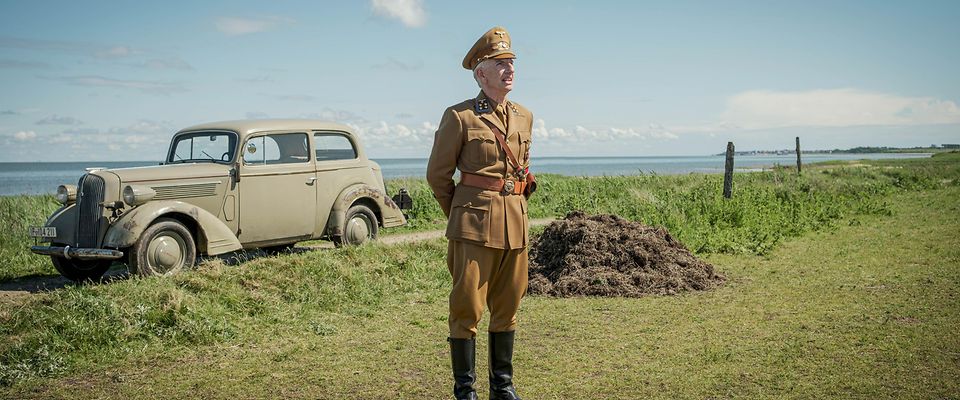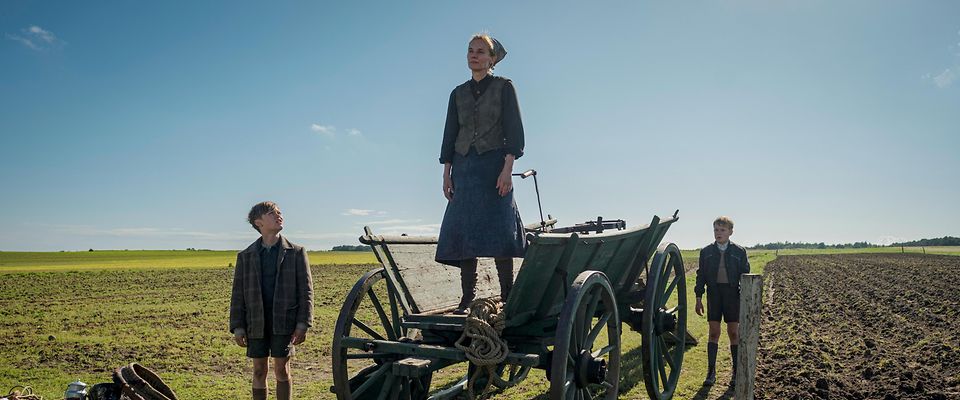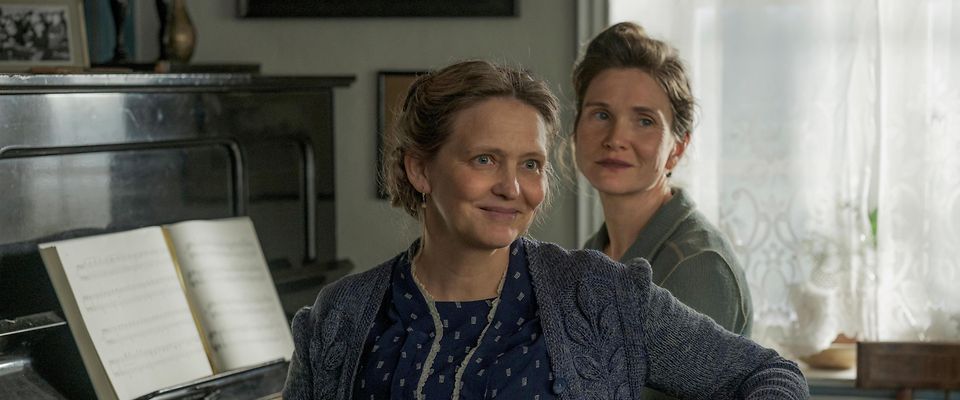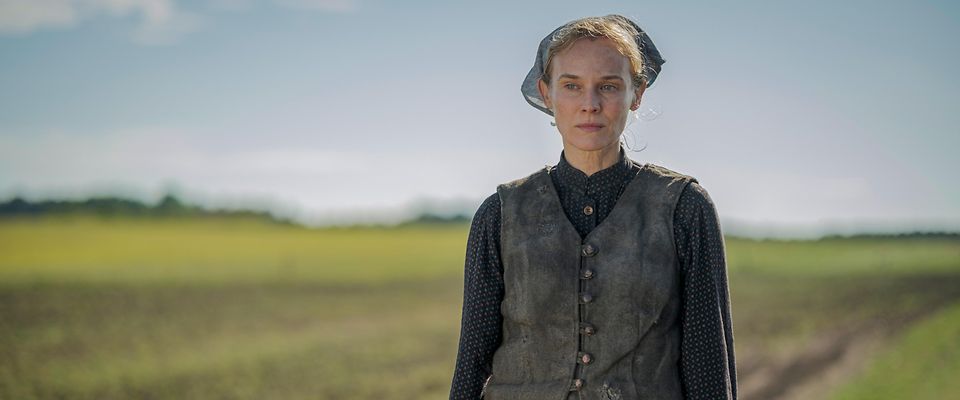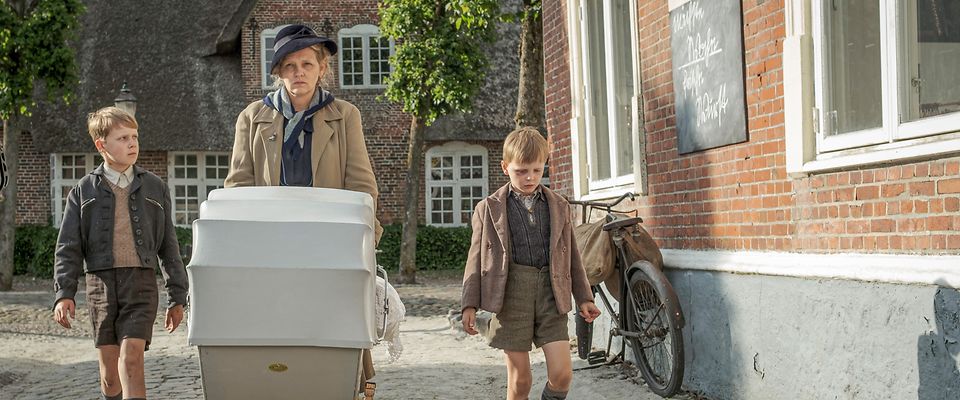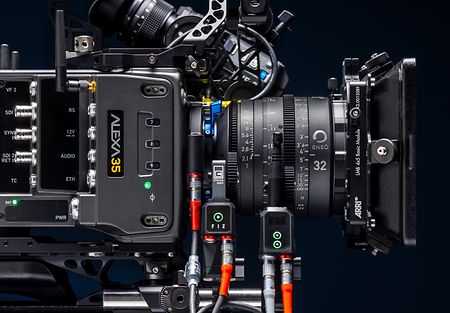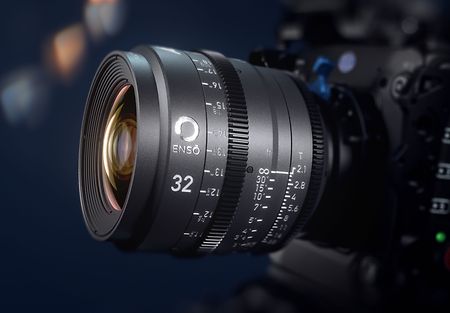
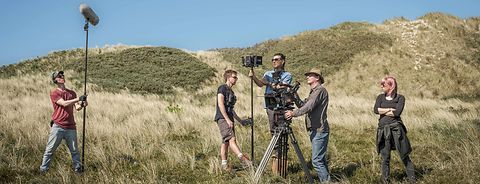
Set in 1945, as World War II draws to a close, “Amrum” centers on 12-year-old Nanning and his exploits on the small island—just off the North German coast—that gives the film its title. In an effort to help his mother put food on the table, Nanning hunts, fishes, and scours the island for ingredients, all the while wrestling with the toxic Nazi idealism of his childhood. Based on the memories of German filmmaker Hark Bohm, a friend of director Fatih Akin, “Amrum” was shot by Karl Walter Lindenlaub ASC, BVK and is the first movie to use ARRI Ensō lenses, in combination with Signature Zooms and ALEXA 35 cameras. Lindenlaub sat down with ARRI in Cannes, where the film premiered, to share his experiences.
What was it like, working with director Fatih Akin on this project?
Well, Fatih is really a total filmmaker; he’s involved in everything. For this project, I brought on a couple of his longtime collaborators, like the focus puller and the gaffer. We went to ARRI and asked for their help, and we called in a lot of favors. We ended up with a small crew, 60 people, and everyone pitched in. For me, it was really refreshing, because I’m used to working in LA, where you have these huge productions—sometimes 500 people and a whole street full of food trucks at lunch. This was the complete opposite: a small crew, a caterer who cooked vegetarian three times a week and meat twice, and we recycled everything. It was a much more intimate and sustainable way of working.
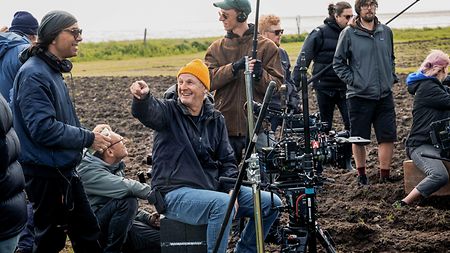
(Left to right) Director Fatih Akin and Cinematographer Karl Walter Lindenlaub ASC with members of the crew
The script underwent significant changes. Can you describe how you set about visually translating a story that was still evolving?
The initial script felt more like a novel, rich in detail but not necessarily structured for film. Hark Bohm, being a passionate birdwatcher, had woven in many elements about the island's bird migrations. Our challenge was to distill that into a more dramatic narrative. The subplot of the mother's depression and the boy's quest for ingredients became a central, emotional journey. It was full of adventure and peril—near-drowning experiences, encounters with refugees—that we wanted to capture visually.
Because the script was evolving, we had to stay flexible on set, often adapting scenes to better serve the story’s emotional arc. Working with a small, close-knit crew allowed us to experiment and respond intuitively to the island’s atmosphere and the children’s performances. We focused on natural light, kept the camera flexible by using a stabilizing rig, to immerse the audience in the boy’s perspective, making his journey feel immediate and authentic. The landscape itself became a character, reflecting the protagonist’s inner world and the unpredictability of his quest. This organic, collaborative process helped us translate the evolving script into a visually cohesive and emotionally resonant film.
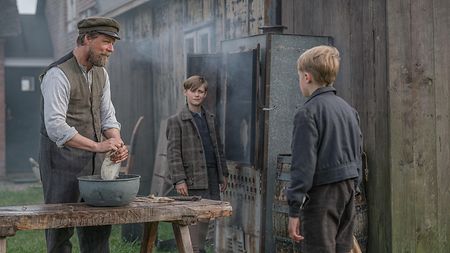
Still from "Amrum" shot by DP Karl Walter Lindenlaub ASC, BVK and directed by Fatih Akin
What was your strategy for conveying the story through the children’s eyes?
I've learned that it's crucial to position the camera at their eye level, avoiding a condescending perspective. This allows the audience to truly experience the world as they do. I also steered clear of conventional over-the-shoulder shots, opting instead for compositions that emphasized the character's immediate experience. Fatih had a clear vision and we kept the setup simple—primarily a single camera, using two cameras only for more complex scenes where I felt we needed additional coverage.
The atmosphere on set was also shaped by the crew itself. For the exterior scenes, I brought in a young female cinematographer from Budapest called Eszter Galambos, who had previously assisted me. Both Fatih and I believe that having women behind the camera brings a different energy to the set—especially when working with children. I’ve always felt that men behave differently when there are women in the crew, and I grew up surrounded by women, so for me it’s very natural. She had her own small team and was responsible for capturing much of the nature photography—sunrises, sunsets, and establishing shots.
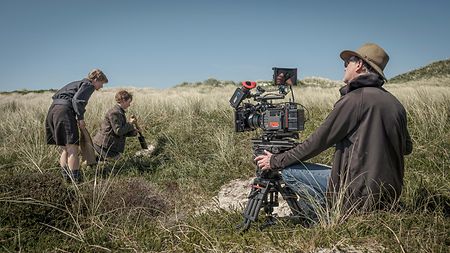
A backstage picture of DP Karl Walter Lindenlaub operating the ALEXA 35 with Ensō lenses
Were there artistic influences, or any of your own experiences, that guided your visual approach to “Amrum”?
Absolutely. Early on, we visited a Caspar David Friedrich exhibition. His paintings—the theme of humanity against nature, the symbolism, the color palette—were a major source of inspiration. We also studied Scandinavian painters. The idea was to frame the young protagonist as a small figure within a vast landscape, underscoring his journey and the forces at play around him.
Two elements resonated deeply with me: my upbringing as a German grappling with the legacy of World War II, and the stark beauty of the northern landscape, which is where I come from. The film's setting — with its vast horizons, dramatic skies, and ever-changing light — is a landscape I know intimately. I wanted to convey both its beauty and its harshness.
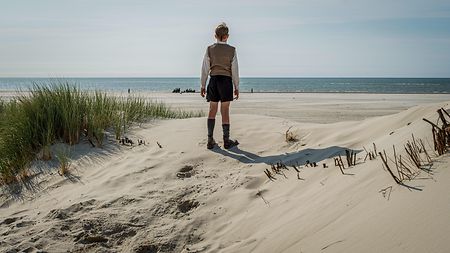
DP Karl says they drew inspiration from painter Caspar David Friedrich, Scandinavian painting, and the northern landscape to realize "Amrum".
What considerations guided your choices regarding equipment and lenses?
There’s a lot of talk about lenses these days, but for me, it’s about how faces look, skin tones, and the emotional response an image gives. First AC Michael Hain and I tested all kinds of vintage and modern optics, but in the end we chose the new ARRI Ensō lenses, which were still prototypes at the time. They were especially useful for their lightweight design, which was perfect for use on a Ronin gimbal in the extremely windy conditions on the island. I used the ARRI Ensō Vintage Element 100P to subtly soften the image for indoor scenes, and I also had two of the ARRI Signature Zooms with me, which matched the Ensōs very well.
I operated the camera myself throughout the shoot, which is my preferred way of working. Being right there at the camera, with the director just behind me watching on a small monitor, allowed for immediate communication and a more intimate connection with the performances. We didn’t have a traditional video village, so everything was very direct and hands-on. In challenging scenes—like shooting on a sailboat in a storm—I would have the camera in my lap, adapting in real time to the environment and the actors. This approach kept the process agile and responsive, and I relied on my experienced focus puller to watch my back and help ensure we didn’t miss a moment.
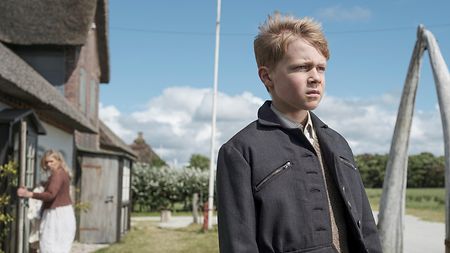
Ensō lenses were DP Karl Walter Lindenlaub’s choice to bring out natural skin tones and intimacy on screen.
How did you manage the lighting, and what challenges were presented by the unpredictable weather conditions?
Lighting was definitely a challenge. For interior scenes, we utilized the latest ARRI LED technology, all equipped with dimmers and managed by a skilled, compact team of electricians led by Gaffer Helmut Prein. For exteriors, we primarily relied on natural light, striving to shoot during the “magic hour” whenever possible. We sometimes had to capture scenes in brief windows between rain showers or when the tide was just right. There were days when the entire crew had to wade into the water, wearing wetsuits, to get the shot. It was physically demanding, but that level of commitment from everyone created a real sense of adventure on set. The landscape itself was constantly changing, and we had to be ready to adapt at a moment’s notice.
In Post, I decided to embrace the variability, allowing the diverse range of looks to enrich the film's texture. After all, a perpetually blue sky would be monotonous. Rather than fighting the elements, we chose to let the weather and light become part of the film’s visual language. The shifting skies, dramatic clouds, and even the occasional rain added a sense of realism and unpredictability that matched the emotional journey of the characters. In the end, these variations gave the film an authenticity that would have been impossible to achieve in a more controlled environment.
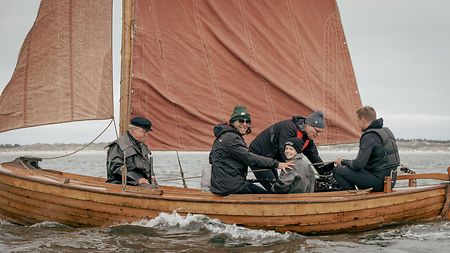
In challenging scenes, such as shooting on a sailboat in a storm, DP Karl says he operated the camera in his lap, adapting in real time to the environment and the actors while relying on his focus puller to not miss a moment.
What aspect of working on “Amrum” did you find most rewarding?
It was a truly organic process. Fatih and I were able to engage in open dialogue about every aspect of the film—scenes, performances, the overall drama—and even when we disagreed, we always arrived at a better solution together. The simplicity and reduction in dialogue and shot selection ultimately gave the film its power. When you invest in every shot, the entire film benefits. And the dedication and camaraderie of our small crew made it all possible.
Opening image credit: © 2025 bombero international GmbH & Co. KG / Rialto Film GmbH / Warner Bros. Entertainment GmbH / Gordon Timpen