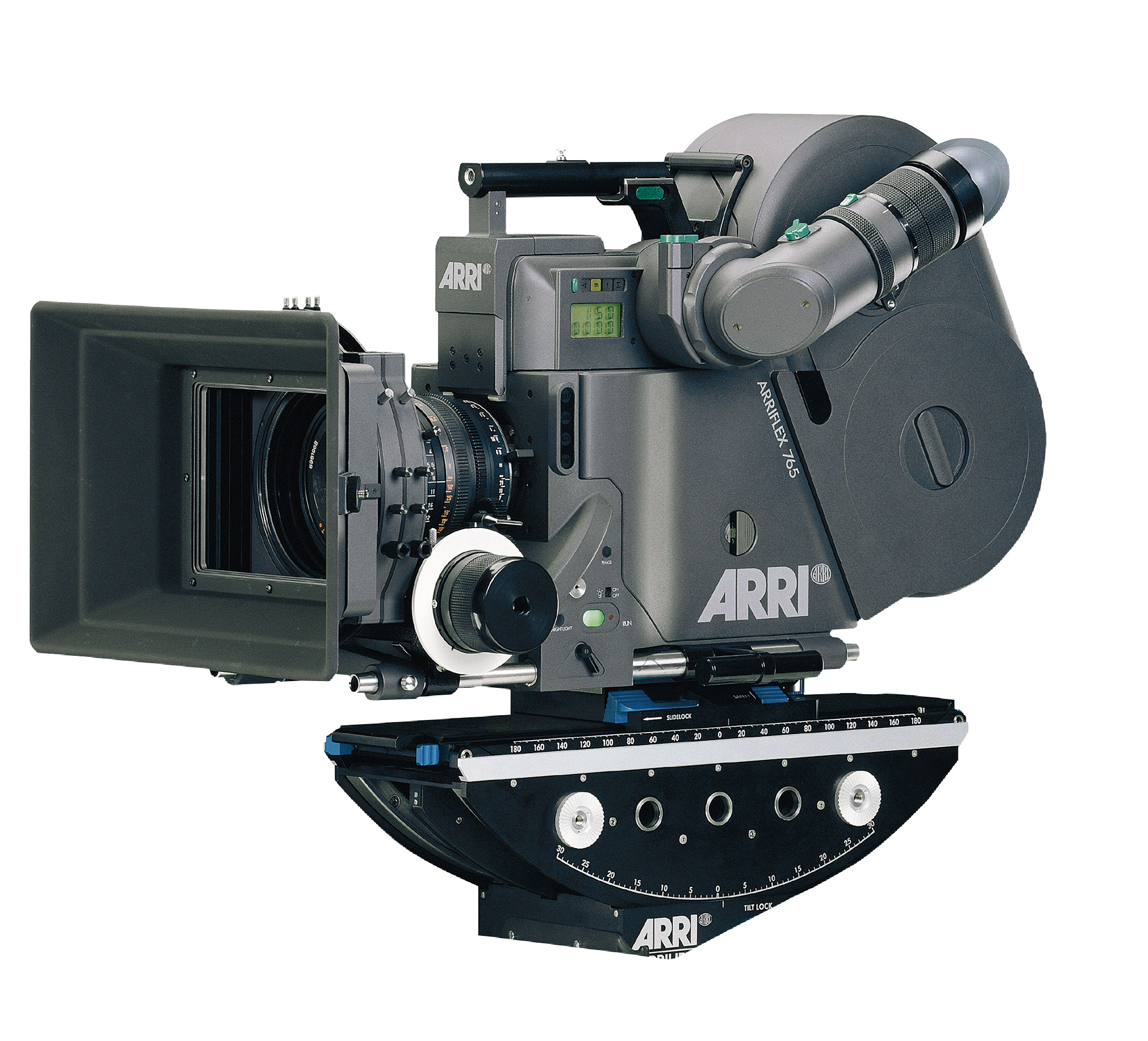
1975 saw the introduction of a silent, ergonomic, shoulder-resting, coaxial magazine camera: the ARRIFLEX 16SR. Its designer, Erich Kaestner, imagined the 16SR (Silent Reflex) as a documentary and newsreel 16 mm film camera so lightweight and portable that it could fit inside a custom metal and leather executive-style attaché case that any well-dressed DP would be proud to carry onboard an airplane. The camera was symmetrical, designed under the correct assumption that not everyone was right-handed, right- eyed and right-shouldered. It worked on every imaginable production, from docs and news to commercials and features, and became one of ARRI’s best-selling cameras of all time.
For many ARRIFLEX camera users, ZEISS “Standard” lenses were the benchmark. They were about the size of a tennis ball; you could carry an entire set in your backpack. By the time 35BL cameras arrived in 1972, the mounts were bayonet, and it’s been said that the secret to the success of the 35BL as a lightweight location camera was the set of ARRI/ZEISS Super Speed lenses introduced in 1975. To use these bayonet-mount lenses, you needed a bayonet-mount camera, which was basically unique to ARRI. With a maximum aperture of T1.4 (later T1.3), the Super Speeds enabled movies to be shot at night, on location, with practical lights and available streetlights. The first set was used on "Taxi Driver."
In 1983 ARRI GB opened in the UK, under Derrick Ross and Paul Wild. It was here that the first dedicated marketing and sales team for ARRI lighting products was created, alongside camera sales. A rental business was later added, allowing new ARRI products to be introduced to the market, and ARRI Rental UK remains a key hub to this day.