What else was in your brief to the international crews?
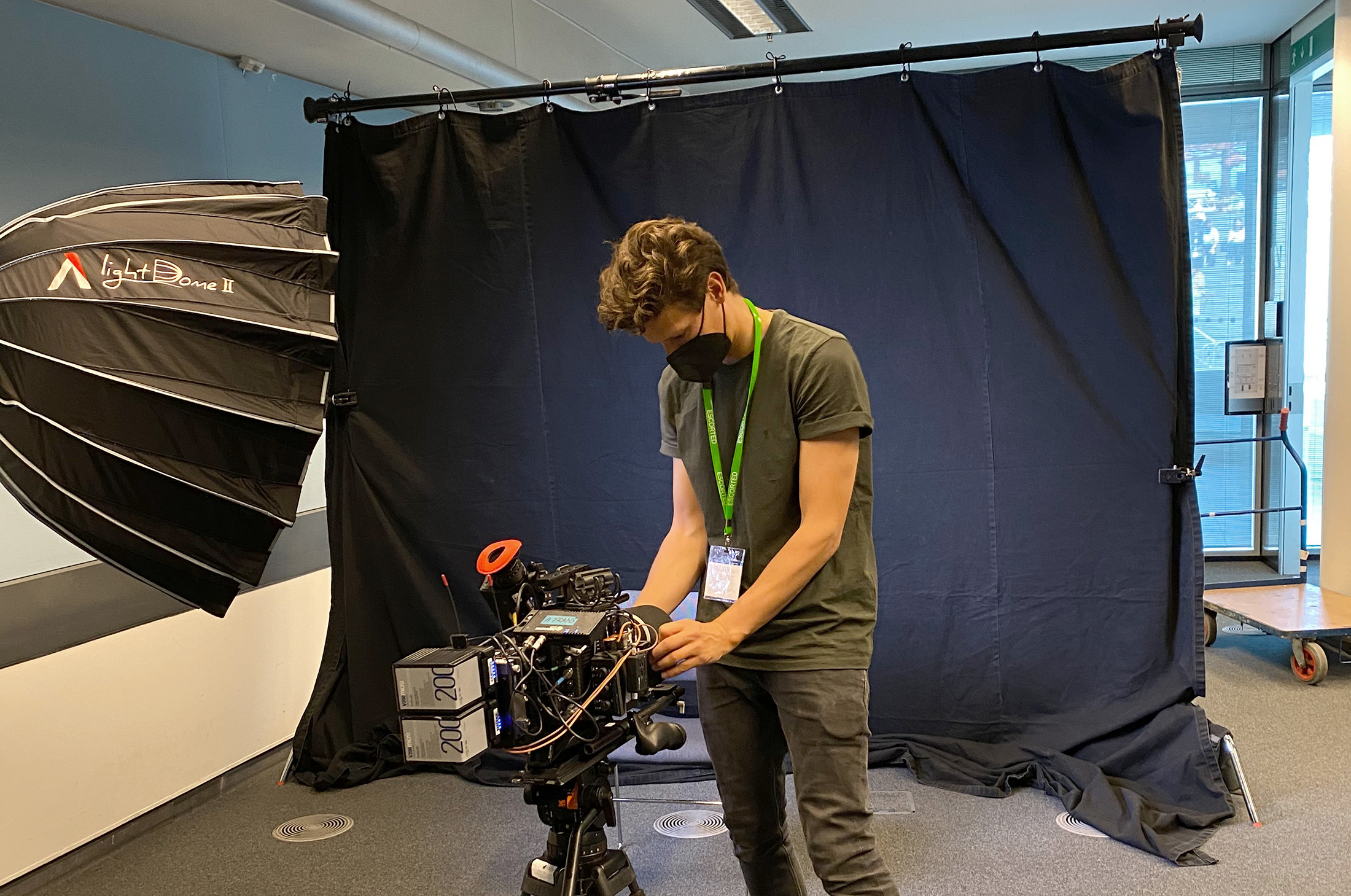
The most obvious and detailed thing was how to set up, frame, and light the interviews. Throughout the show, we interviewed people in front of a black backdrop, so it was important that the backdrop and lighting were the same for everyone, whether they were a scientist with 30 years of climate experience or a farmer who realized two years ago that his crop isn’t growing anymore. I did detailed tests and was very specific in my briefing about light sources, distances, exposure, and contrast ratios.
For the overall look of the show, my briefing contained stuff like shooting B-roll in slow motion for a cinematic feel; always shooting wide open for shallow depth of field and to take advantage of the large-format sensor; using gimbals for certain types of shot, or long lenses and tripods for other kinds of shots. But I also encouraged the local filmmakers to come up with their own creative ideas, and I was really happy with what we got back. It was great to see how many talented filmmakers are working around the world, even in places like the Maldives and Cambodia, where there are no big film schools.