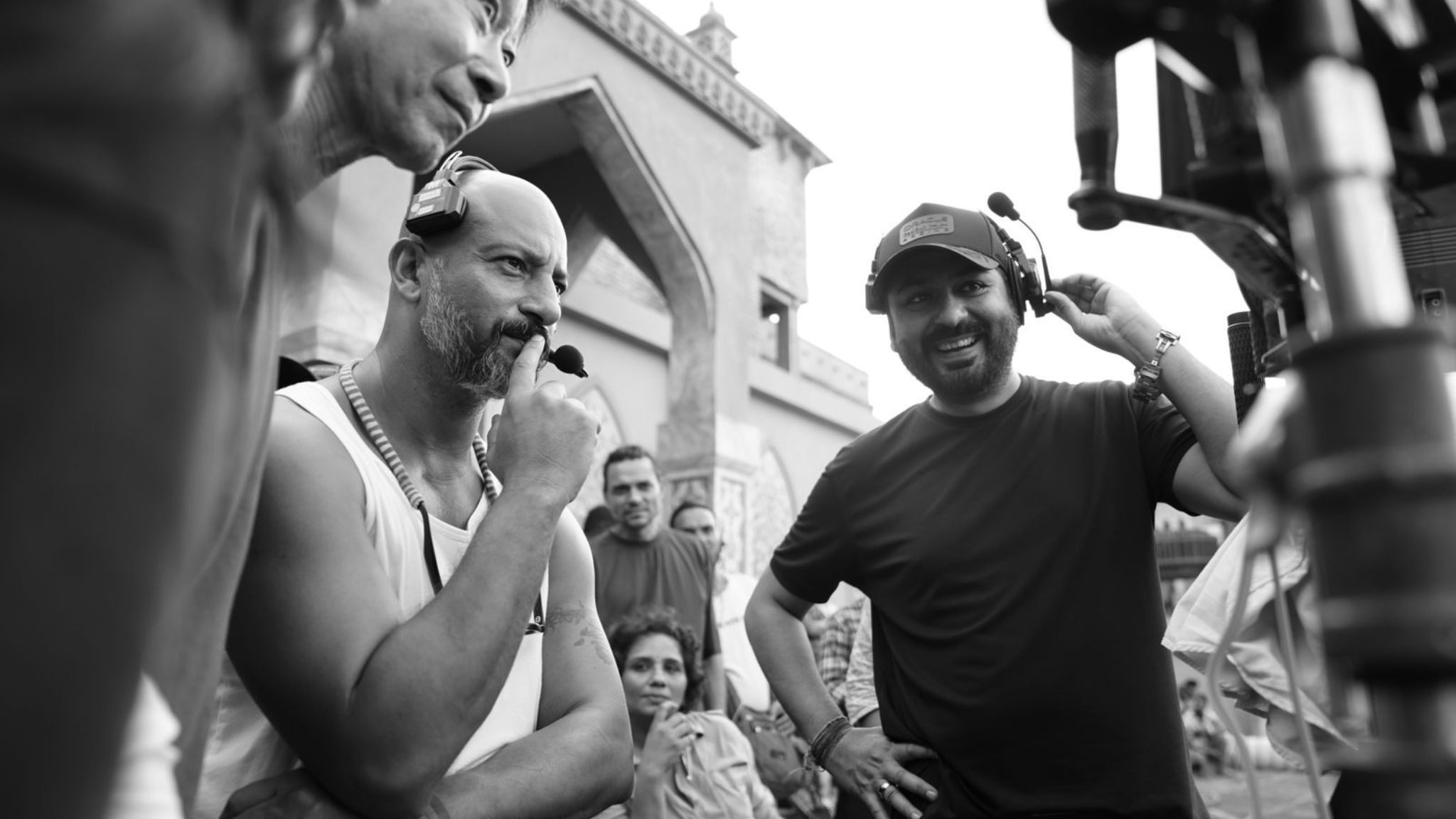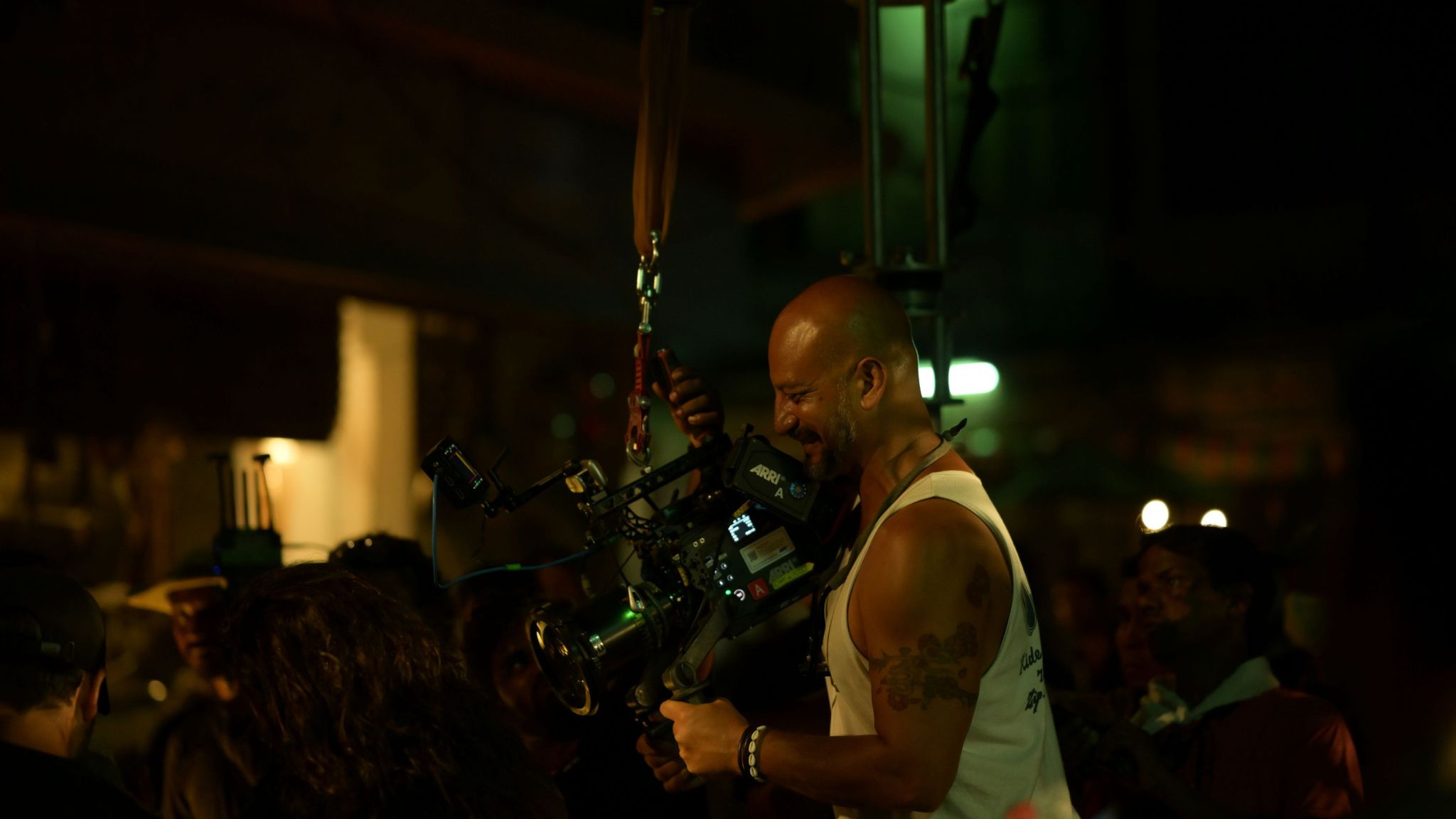
Vikash Nowlakha ISC shooting Dhurandhar The Revenge

“Dhurandhar: The Revenge”: ALEXA 35 Xtreme on a spy-action epic

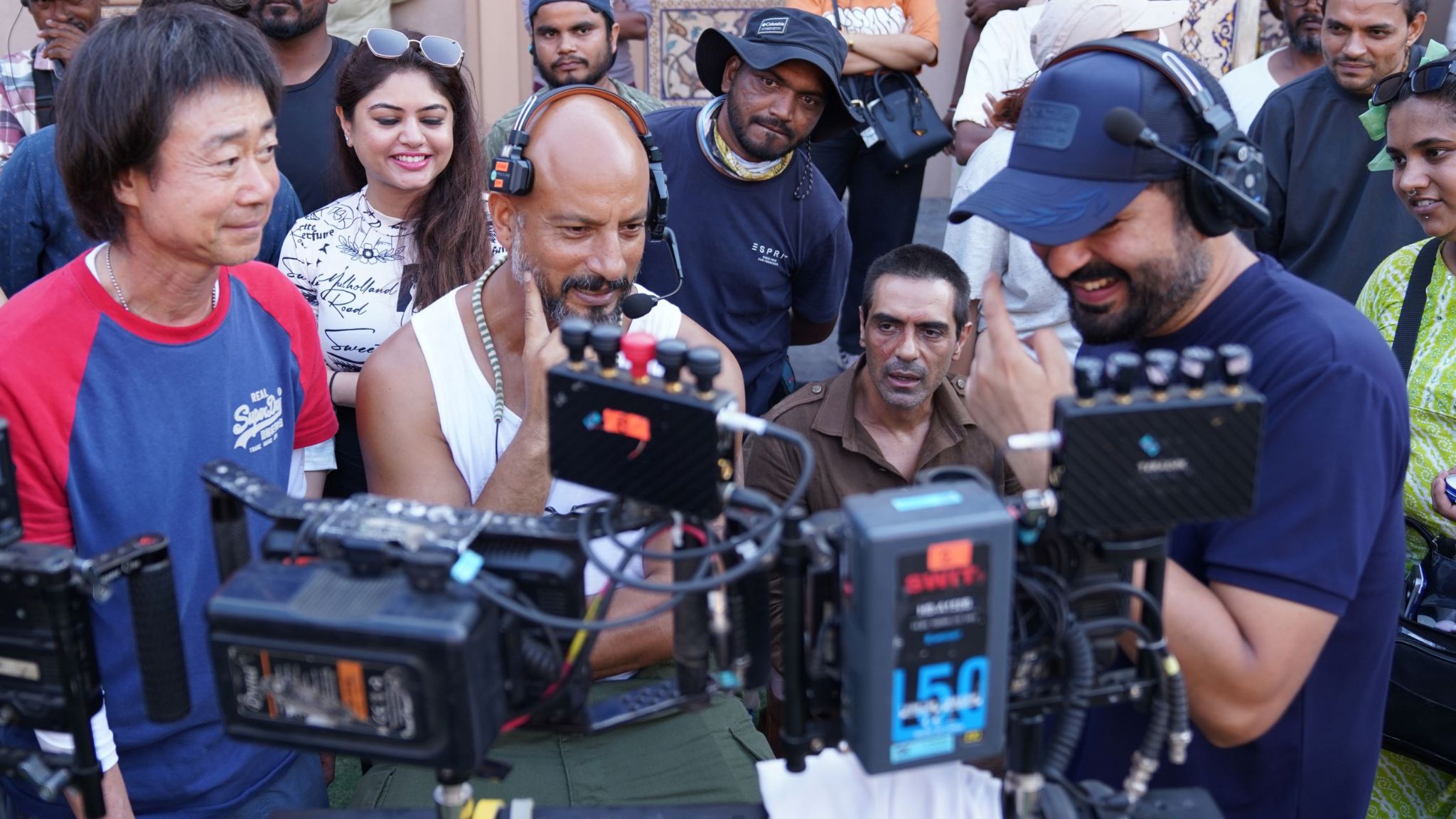
Directed by Aditya Dhar, "Dhurandhar: The Revenge" is the second half of a two-part Hindi-language spy-action saga centered on the Lyari underworld. Cinematographer Vikash Nowlakha ISC,  speaks to ARRI about shooting the saga across more than 124 locations, using ALEXA 35 and ALEXA 35 Xtreme.

Aug. 25, 2026

How did your collaboration with Aditya Dhar begin, and what drew you to the world of "Dhurandhar"? What visual references did you and the director have?

When I first spoke to Aditya, "Dhurandhar" felt like a rare opportunity to bring some raw grit and texture into a film of this scale. By the time I came onboard, Aditya had already assembled an incredibly detailed visual deck. That gave us a strong foundation, but from there the process became very instinctive. There  was an immediate connection to the visual world he wanted to create.

I didn't rely heavily on specific visual references. Instead, I trusted what was happening in front of the camera. Between Aditya, the actors, and myself, it became one of those rare experiences where everyone was moving in the same creative direction. There was a natural flow to the process, and much of the film's visual identity emerged from that shared instinct.
How did your equipment choices influence the film's image texture, depth, and overall visual character?

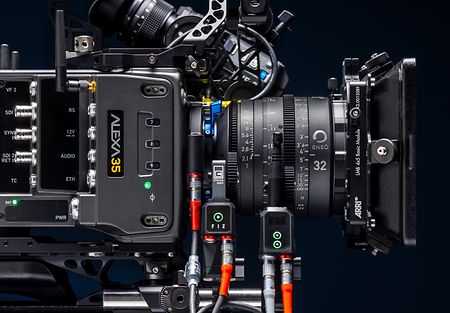
For me, camera choice is never an isolated decision. It always exists in relationship to the lenses. I had access to an old, imperfect set of Hawk V-Lite anamorphic lenses that I had previously used on my commercial work, and they immediately felt right for this film. The set consisted of only four focal lengths, and two of them were barely usable by conventional standards. Since we were rolling two cameras for most of the production, that presented its own set of challenges. But ultimately the character those lenses brought became part of the strength of the visual approach.

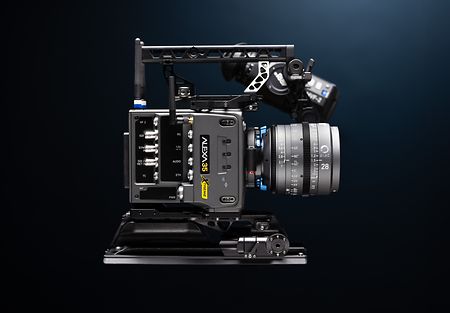
Given the unpredictable nature of the lenses, I needed a camera that rendered the image as naturally as possible - something that felt close to how the human eye perceives the world. I also needed a Super 35 sensor to match the coverage of these lenses. The ALEXA 35 gave me exactly that. It provided a solid and trustworthy foundation beneath the imperfections of the optics, allowing the lenses to bring their character without the image ever feeling artificial.

What else did the ALEXA 35 and ALEXA 35 Xtreme bring to this production?

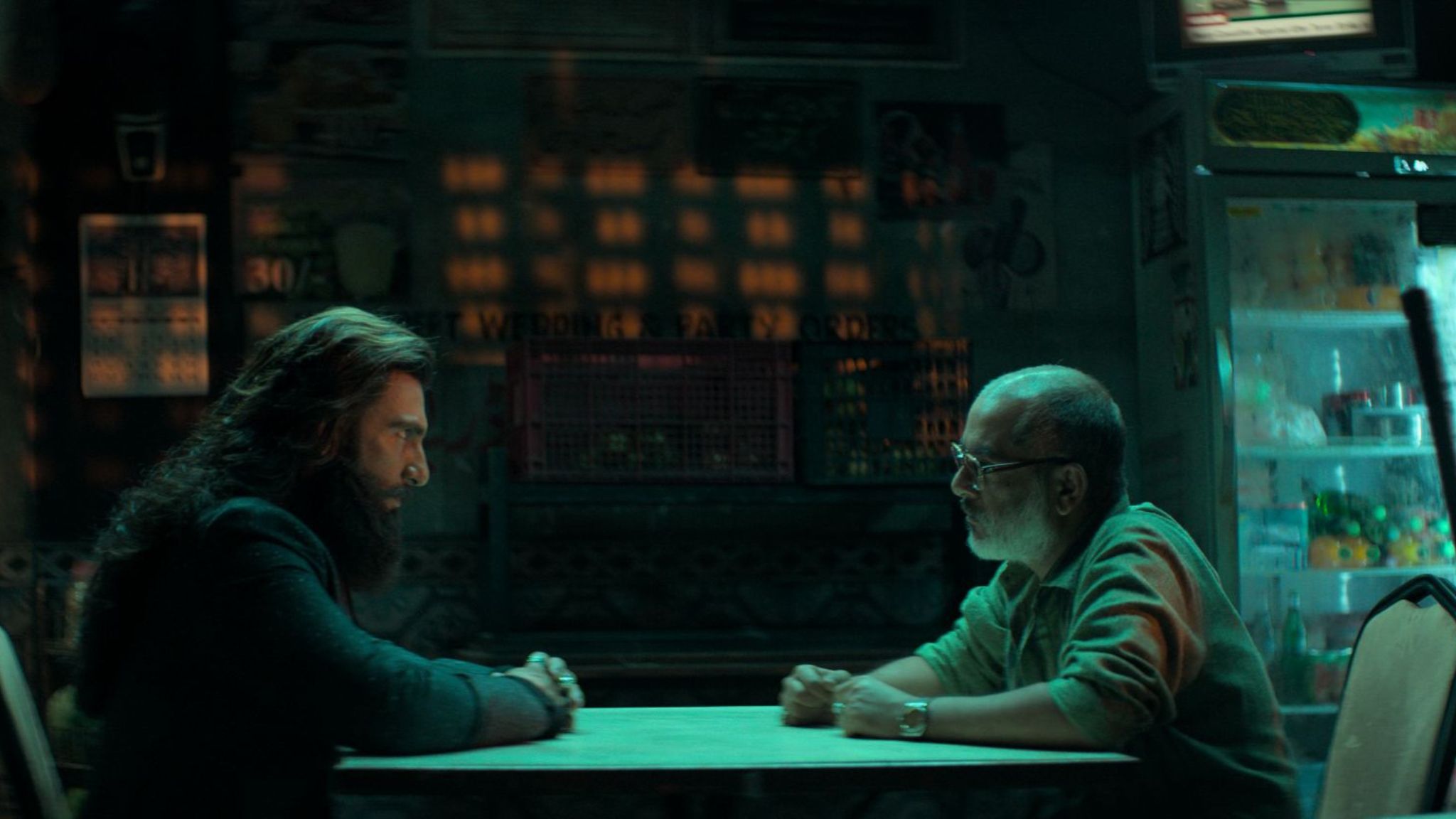
What I needed from the camera was trust. The visual identity of "Dhurandhar" came largely from the lenses, locations, performances and the controlled unpredictability we embraced throughout the production. The camera's role was to faithfully record all of that without imposing itself on the image.

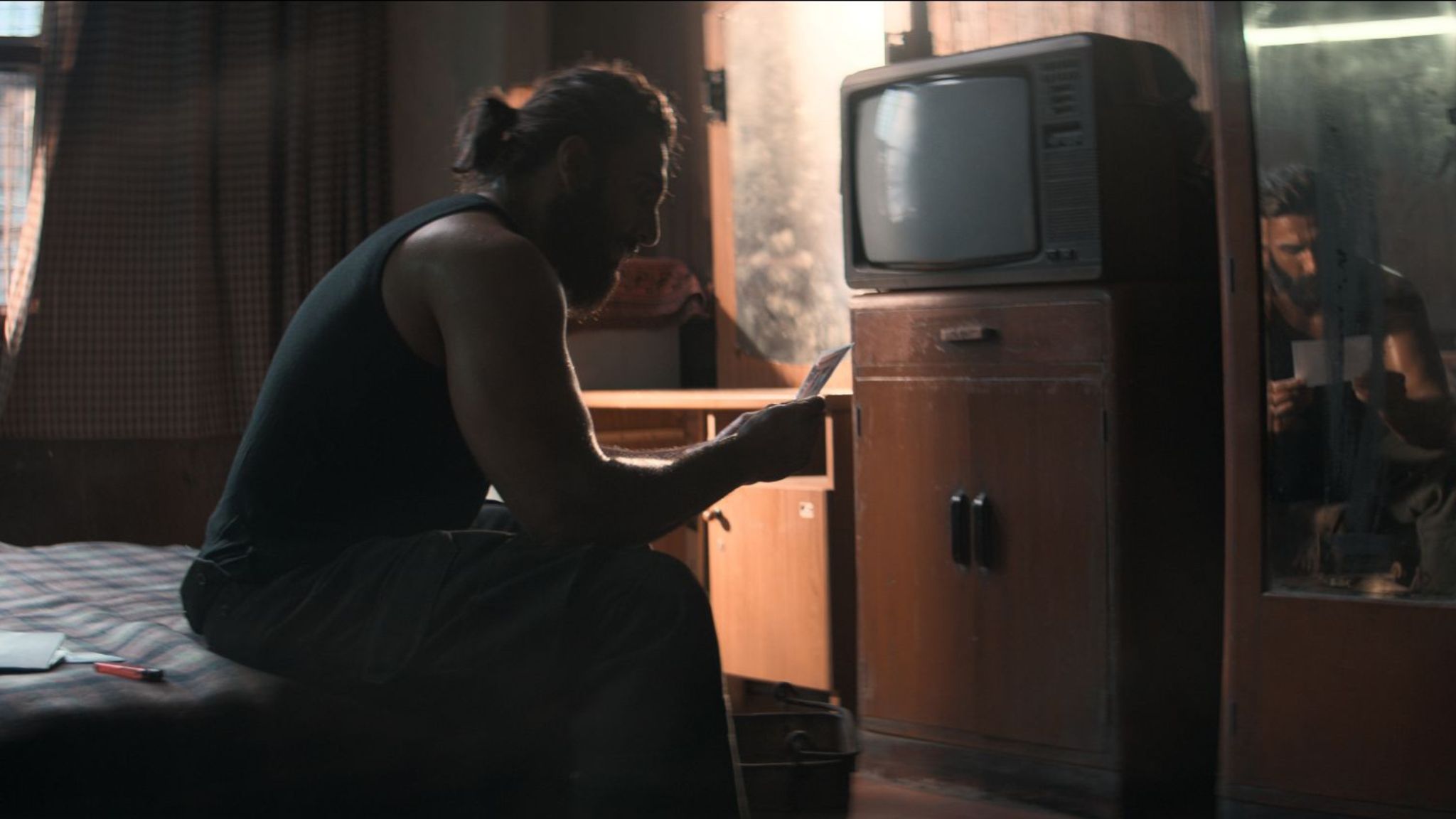
We were often moving quickly, shooting large-scale action, working in difficult environments and allowing scenes to unfold with a degree of spontaneity. The ALEXA 35 allowed us to work with that same instinct. Its dynamic range and ability to retain subtle detail in both the highlights and shadows meant that we could respond more freely to the light and spend less time protecting the image technically. More importantly, it consistently delivered a natural image regardless of the situation and allowed us to focus on storytelling rather than technical concerns. The best camera is often the one I stop thinking about. The ALEXA 35 allowed exactly that.


Were there particular capabilities that proved most decisive on set? Is there any specific scene you would like to comment on?

One of the greatest strengths of the ALEXA 35 is that it allows you to work instinctively. On "Dhurandhar" there were many scenes where we deliberately embraced a certain amount of chaos. Actors could move freely, environments could evolve naturally, and we weren't constantly trying to force every moment into a rigid visual framework. 

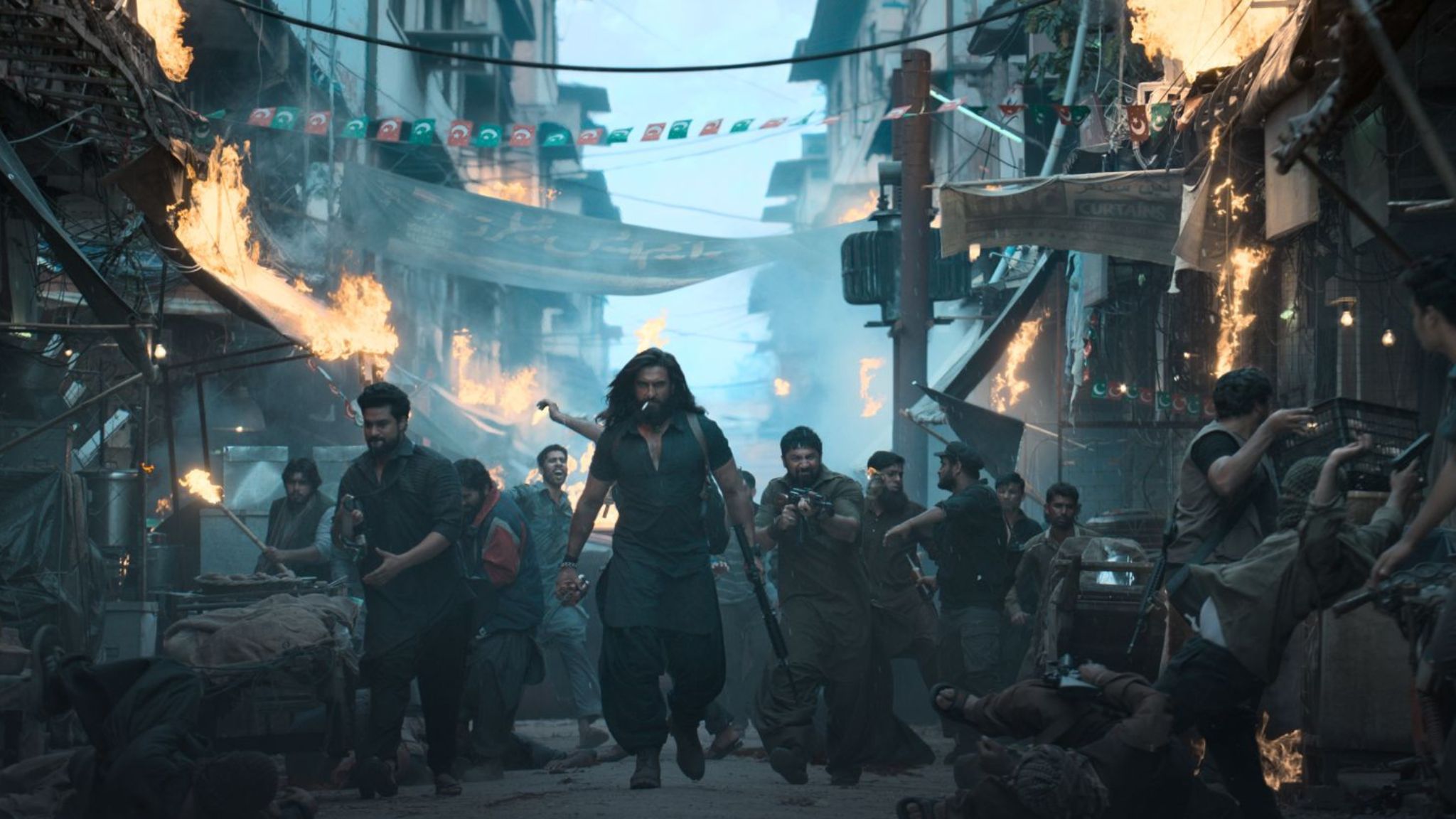
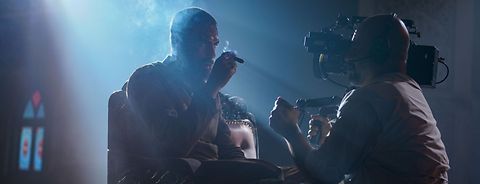
Many Lyari street sequences involved large numbers of extras, vehicles, smoke, dust, practical lighting and action all happening simultaneously. The challenge wasn't simply photographing the scene - it was preserving a sense of authenticity while maintaining visual coherence. What impressed me most was the camera's ability to hold onto subtle details across the frame while still feeling completely natural. Faces, textures, practical light sources and the atmosphere of the environment all retained their integrity, even in very complex situations.

There's a tendency in large-scale commercial cinema to over-control everything. Some of my favorite moments in "Dhurandhar" came when we allowed the world to breathe a little and let unexpected things happen within the frame. The ALEXA 35 gave me the confidence to work that way.


What was your approach to workflow, and did you shoot ARRIRAW throughout?

We shot ARRIRAW throughout the production. Given the visual approach of the film, image integrity was extremely important. We were combining heavily characterful anamorphic lenses, a wide range of shooting environments, and visual effects work, so preserving the full quality of the image was essential. 

That said, I've always believed in making creative decisions on set rather than in post-production. I began my career shooting on film, where you had to be quite deliberate about the image you were shooting. ARRIRAW wasn't about creating endless options later. It was about preserving the image exactly as we had intended it while giving us the confidence that every nuance captured by the camera was there if we needed it.

For me, the ideal grade is often a very subtle one. The more decisions that are made on set, through lenses, lighting, filtration and exposure, the more honest the final image tends to feel. ARRIRAW remains a very reliable workflow for preserving that intent.
 

What choices did you make in terms of lighting equipment?
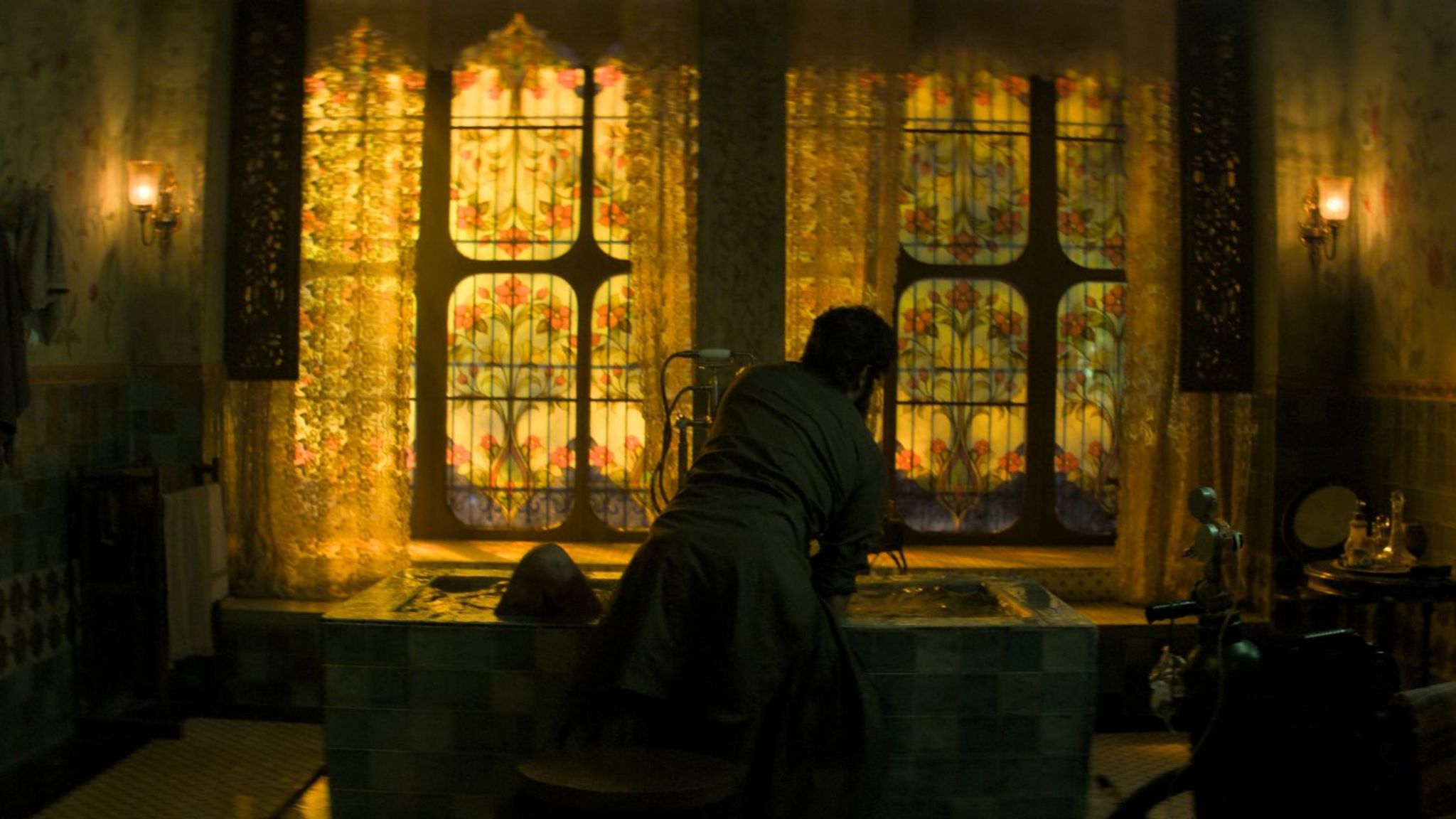
We wanted the film to feel immediate, grounded and authentic, so much of the lighting was motivated by practical sources within the environment. We embraced mixed colour temperatures, available light whenever possible, and a degree of imperfection that felt appropriate to the world we were portraying.

While larger fixtures such as ARRIMAX 18Ks were essential for certain large-scale exterior sequences, much of our lighting relied on smaller LED sources from varying manufacturers. 

Ultimately, the goal was to create a lighting approach that felt grounded in reality but was still expressive and stylized. It needed to move seamlessly between intimate character moments and large-scale action while maintaining a consistent visual character and a sense of heightened realism.

Opening image: copyright © B62 Studios and Jio Studios