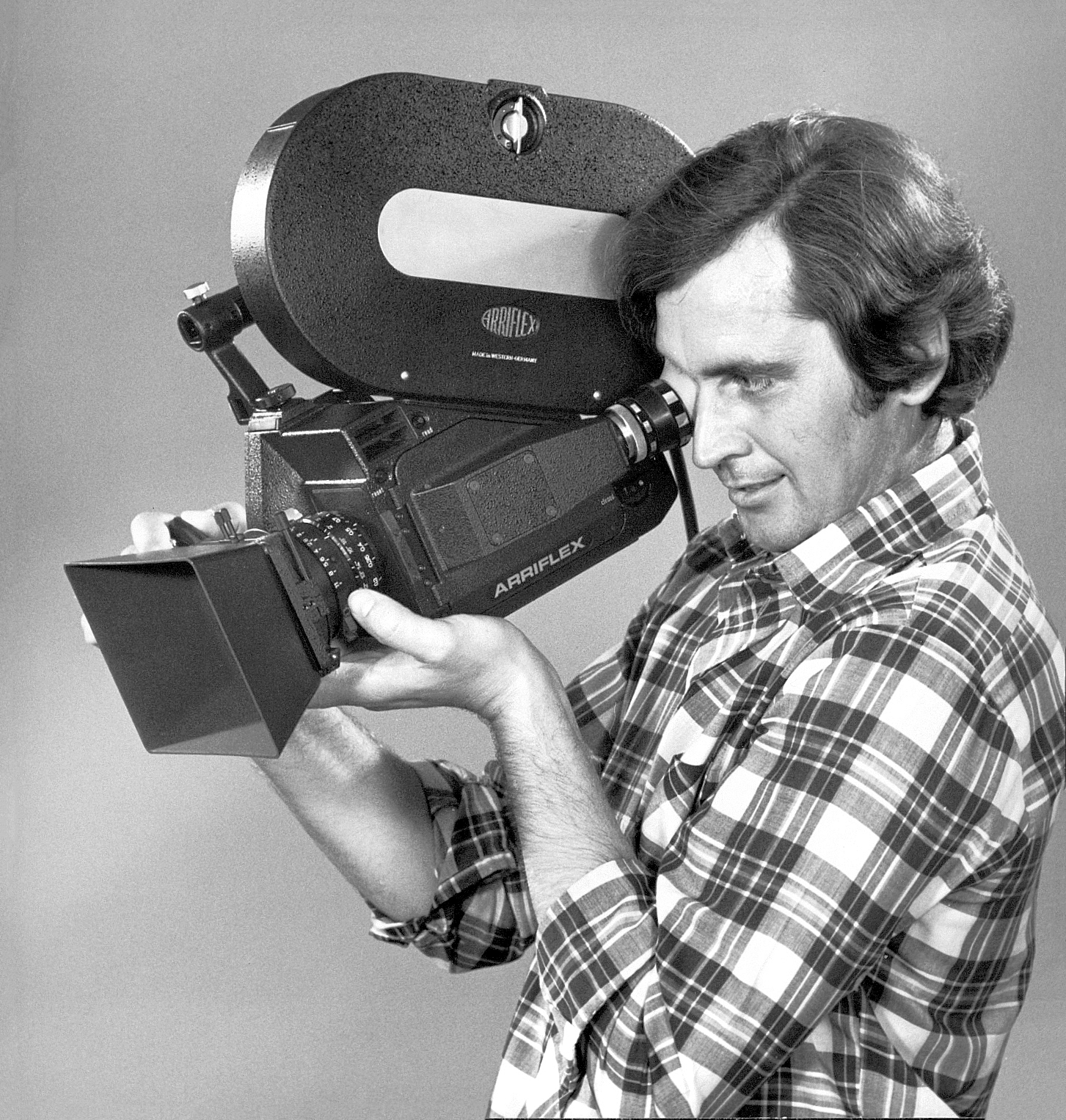
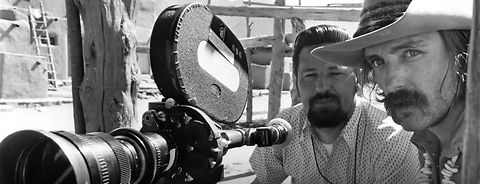
Easy Rider shot on ARRIFLEX 35

ARRIFLEX 35 series

35, 35 II, 35 IIA, 35 IIB, 35 IIC, 35 III, 35 IIIC

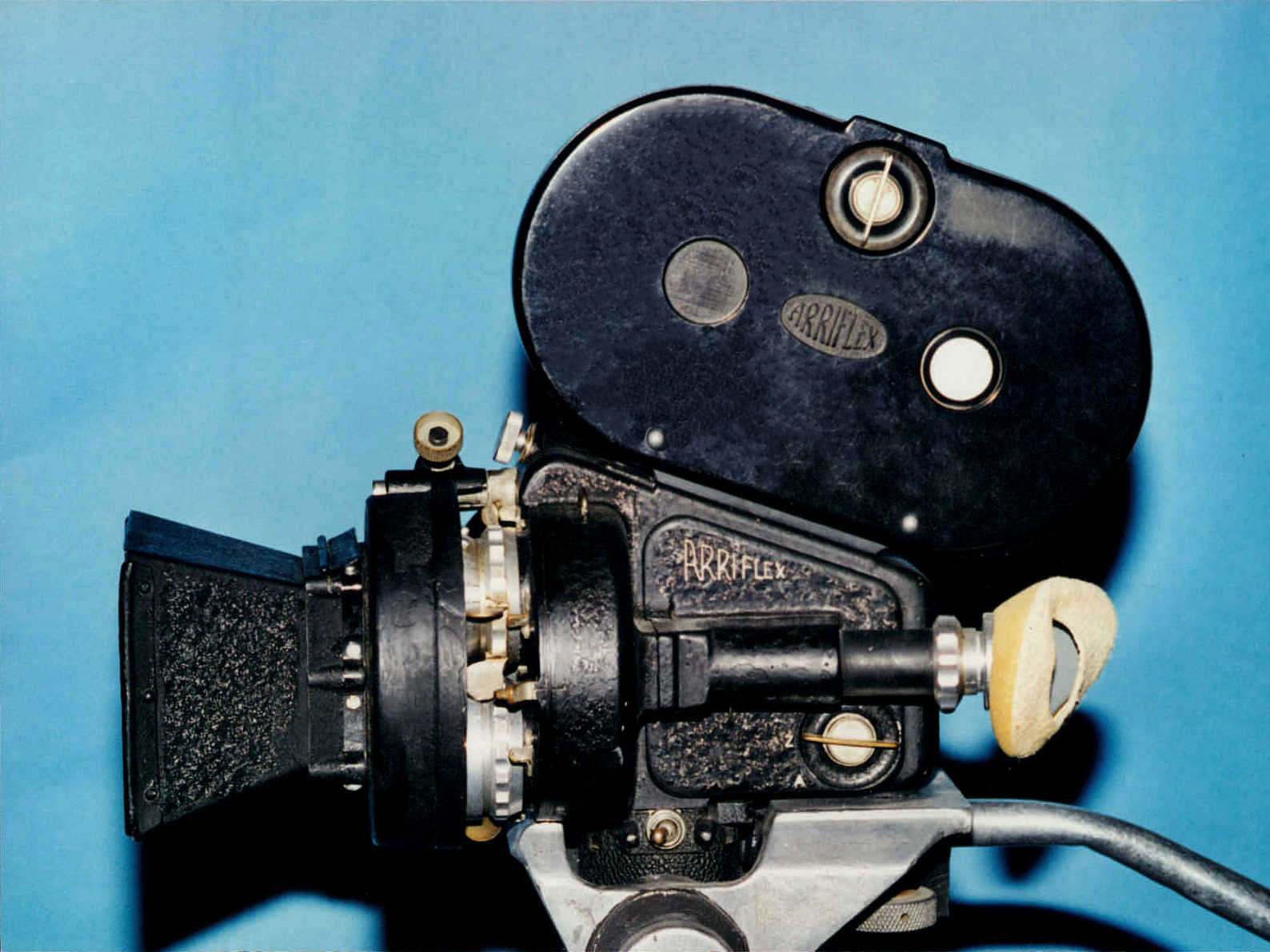
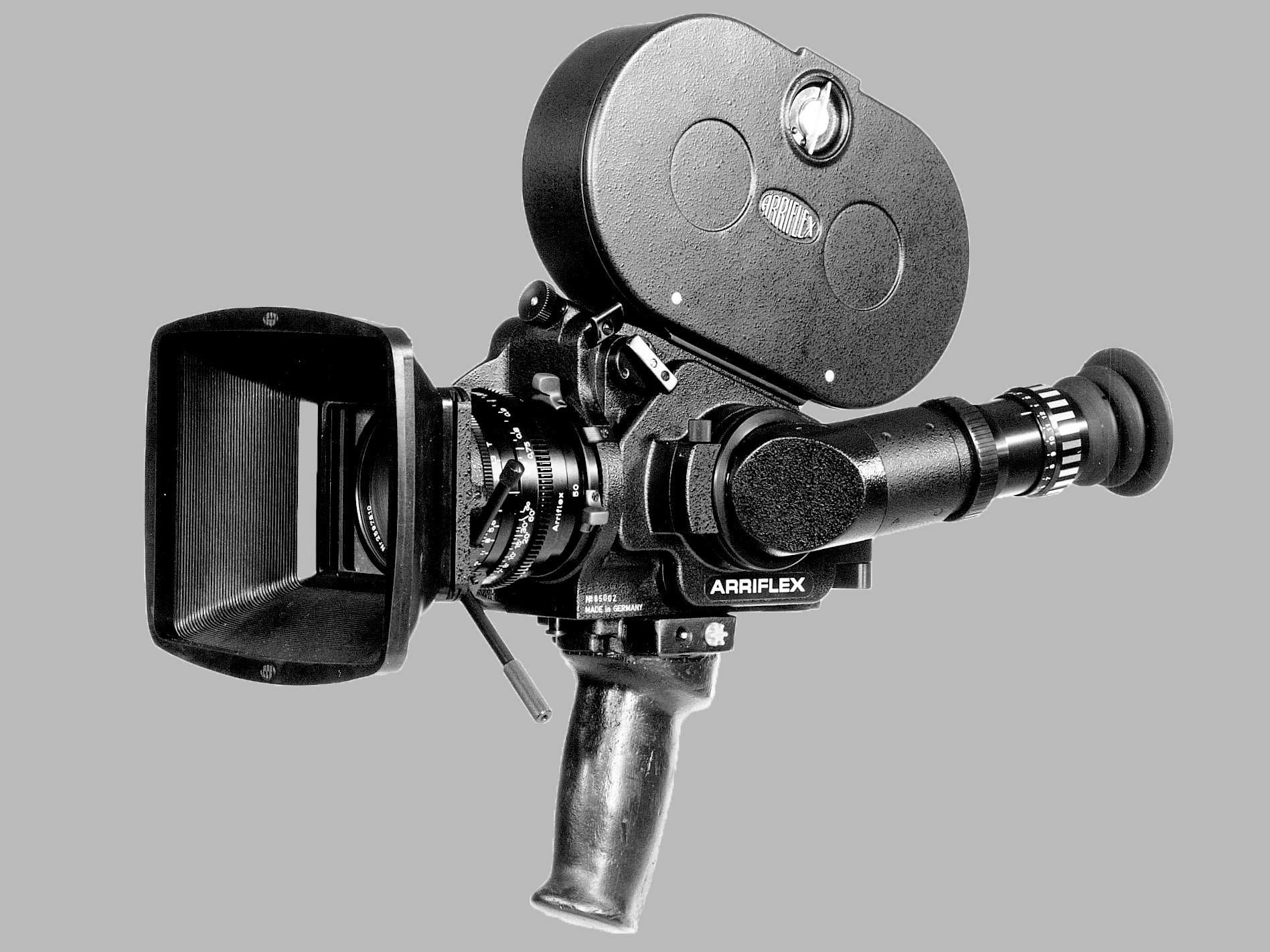
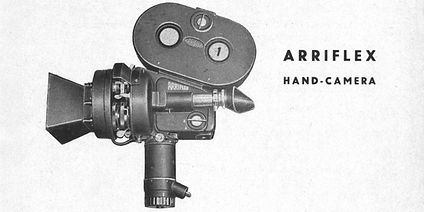
The ARRIFLEX 35 series launched ARRI as a global company and epitomized the brand for decades. Designed by chief engineer Erich Kaestner, the original ARRIFLEX 35 was released in 1937 as the world’s first 35 mm movie camera with a reflex mirror shutter, allowing filmmakers to frame and focus directly through the taking lens. The design was so successful that the final camera in the series it spawned was still in production half a century later.

Changing the language of cinema

Starting with the Bogart-Bacall film noir “Dark Passage” in 1946, moviemakers quickly realized that the small, lightweight, and reliable ARRIFLEX 35 opened up new visual possibilities. From British kitchen sink dramas like “A Taste of Honey” (1961) and independent trailblazers like “Easy Rider” (1969) to incredible action scenes in “Bullitt” (1968) and “The French Connection” (1971), the ARRIFLEX 35 has earned its place in cinema history.
Evolution of a camera series

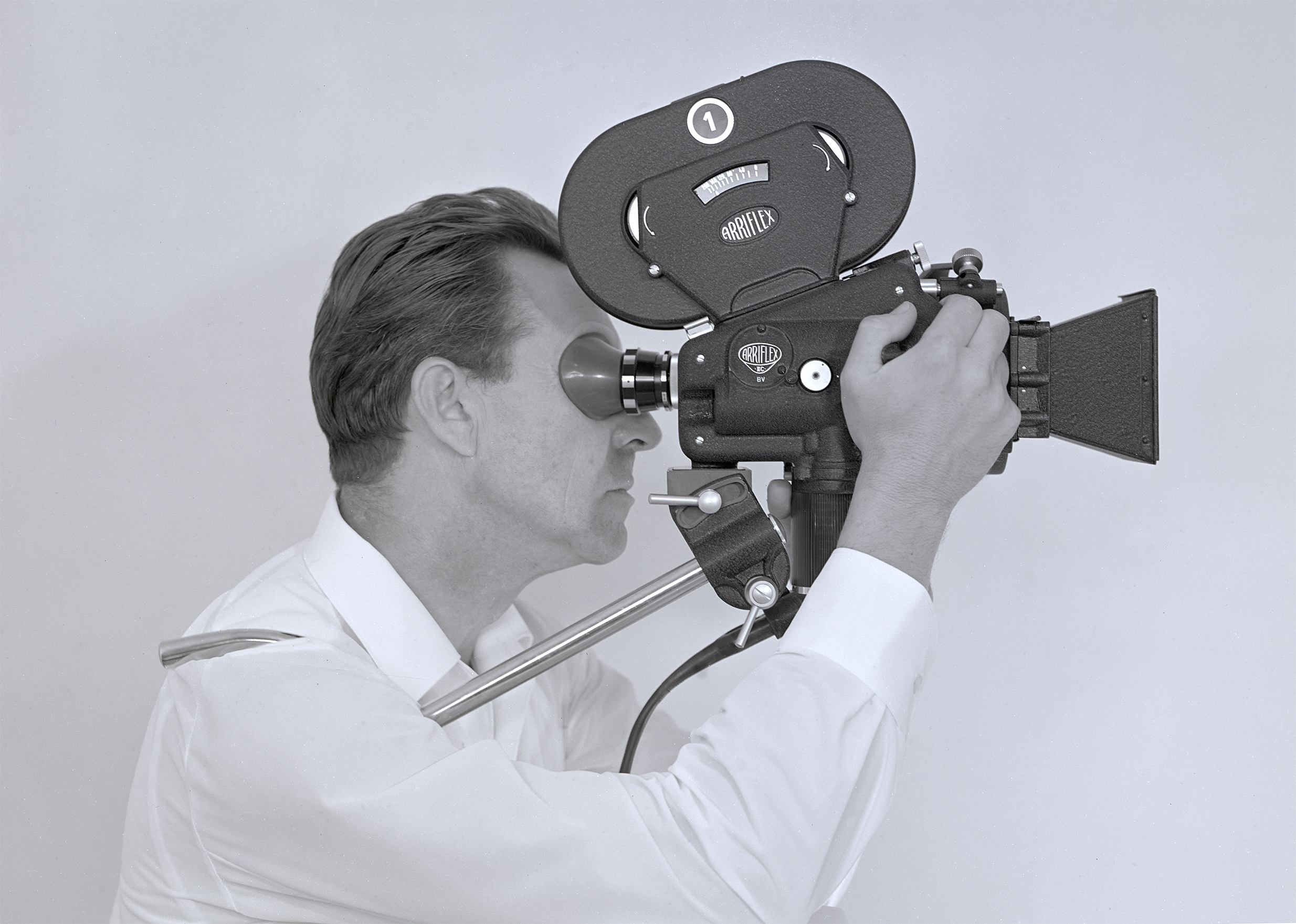
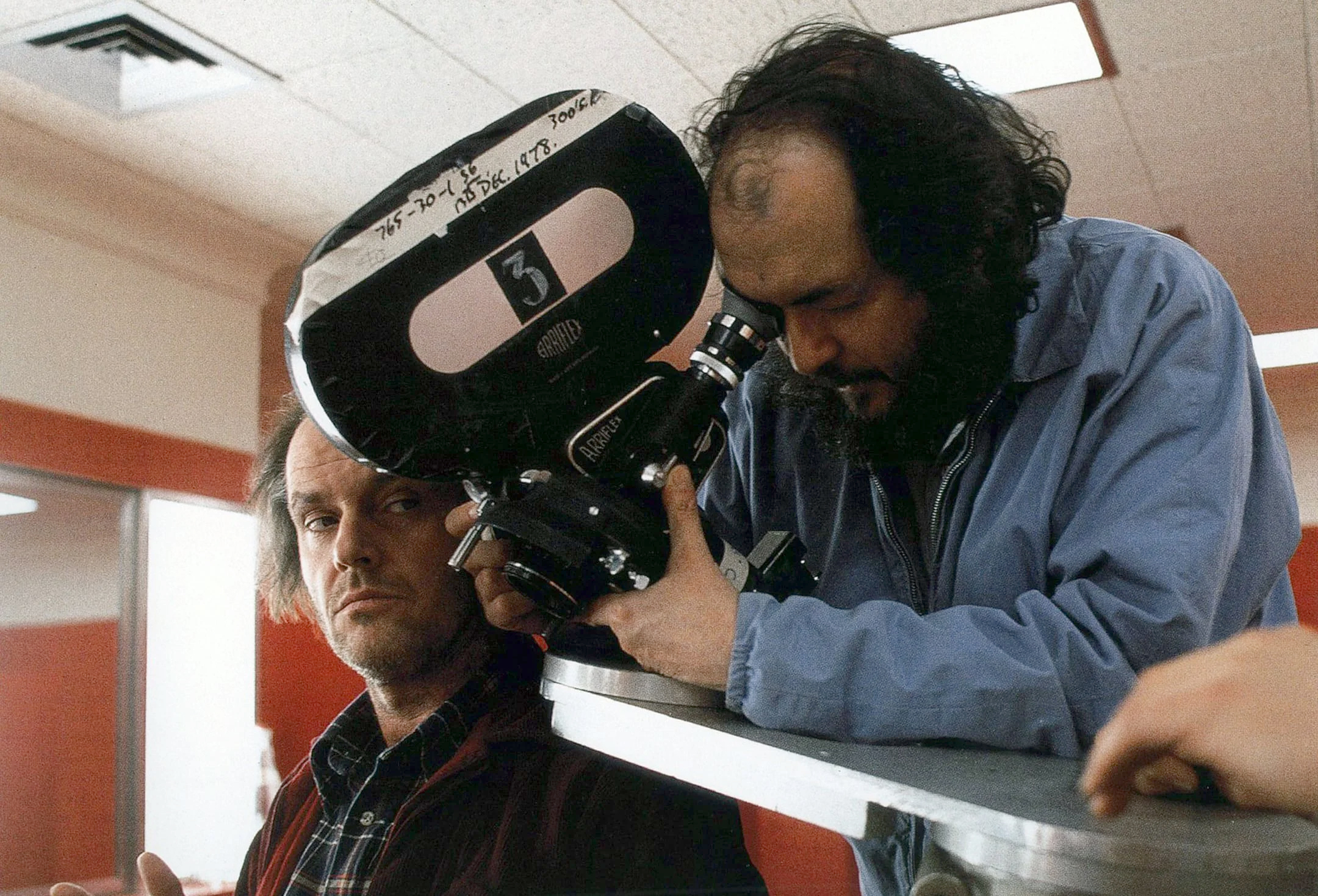
The elegant simplicity of the reflex camera design ARRI developed in the 1930s was to prove remarkably enduring. Multiple models followed, adding various refinements, but they all shared the same fundamental concept of a compact, handholdable camera that captured cinema-quality images even in arduous environments. The core years were those of the 35 II models, which between them accounted for 17,000 sales. 

  • ARRIFLEX 35 (1937)

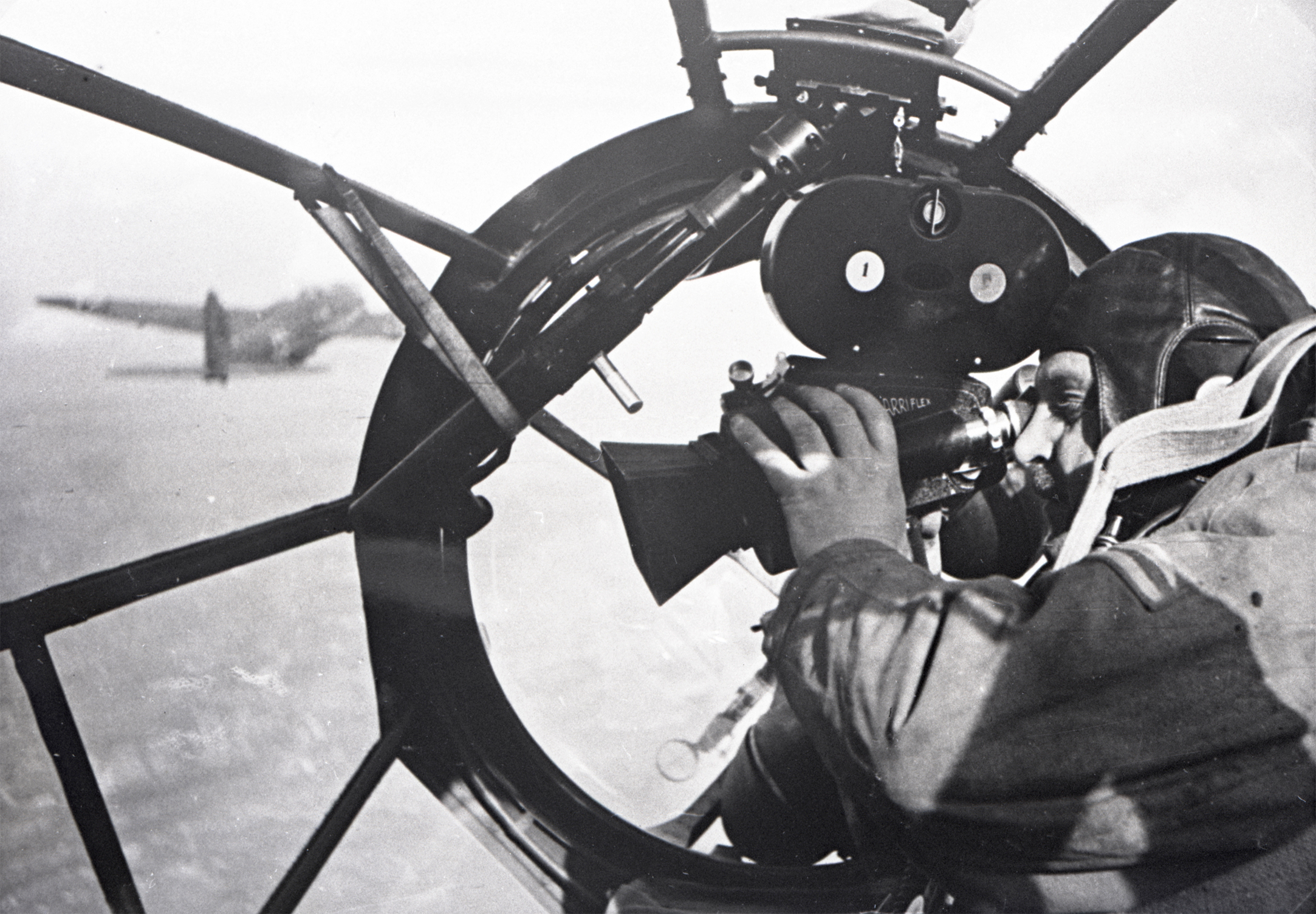
    The 'Handkamera' that started it all. Introduced not long before World War Two, the first ARRIFLEX model was commandeered for military use and saw action on land, sea, and in the air. It wasn’t what ARRI’s owner-founders had envisaged, but certainly proved the rugged durability of the camera design.

  • ARRIFLEX 35 II (1946)

    With the war over, ARRI resumed production in earnest with a view to growing its international sales, since scarce original ARRIFLEX cameras captured from the German military were already highly valued among Hollywood filmmakers. Post-war models were designated 35 II.

  • ARRIFLEX 35 IIA (1953)

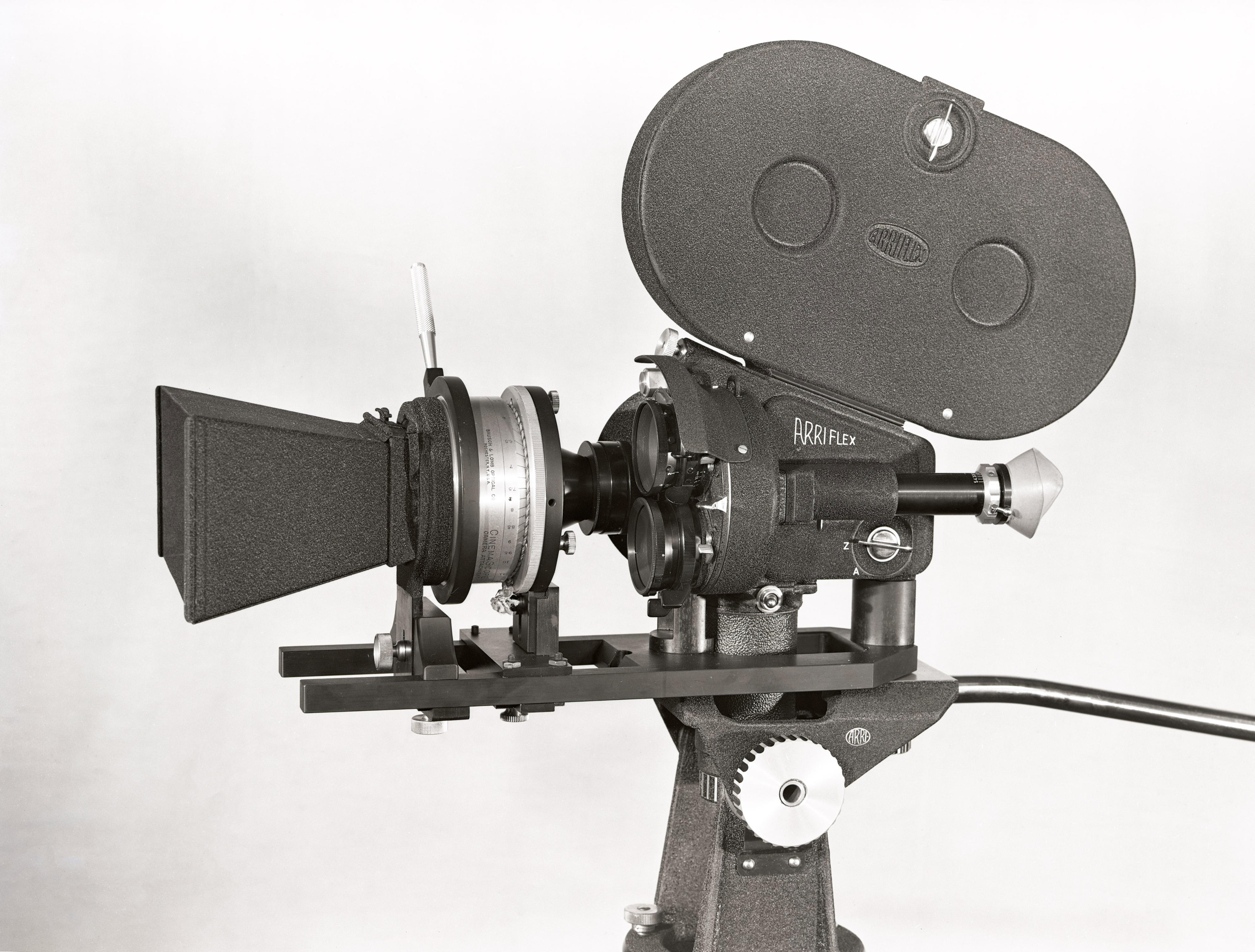
    ARRI was back in its rebuilt Tuerkenstrasse HQ when the 35 IIA model was released, with an improved steel gate, more efficient movement, and shorter transport phase that allowed the shutter angle to be increased from 120º to 180º. The camera is shown here with an early CinemaScope attachment.

  • ARRIFLEX 35 IIB (1959)

    Incremental improvements led to the 35 IIB model, including a cardioid (heart-shaped) cam film movement, replacing a circular version. This created a dwell at the end of the pull-down, stabilizing the film in the gate. A 35 IIBV model was released in 1960 with a variable 0º to 165º shutter.

  • ARRIFLEX 35 IIC (1964)

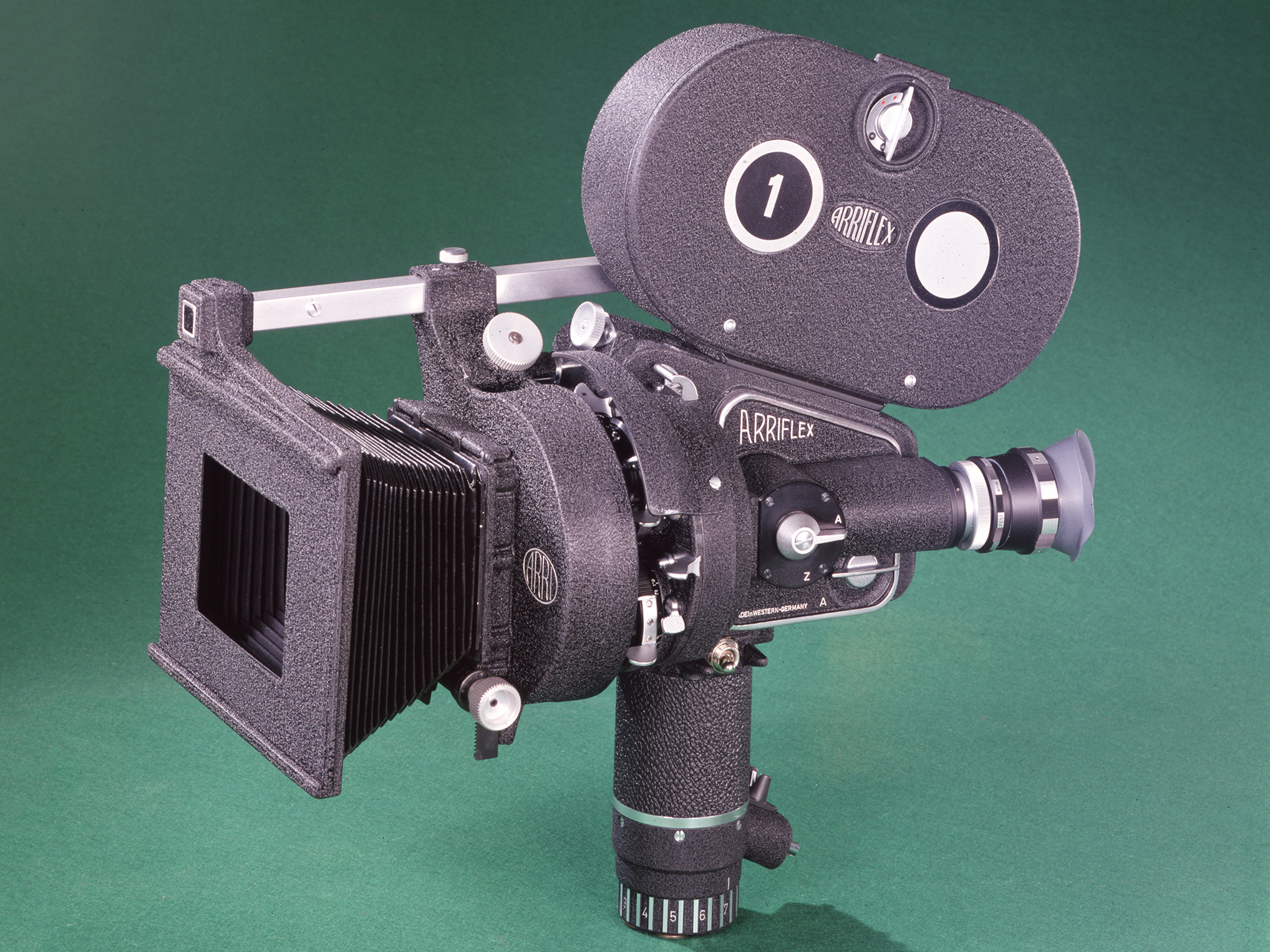
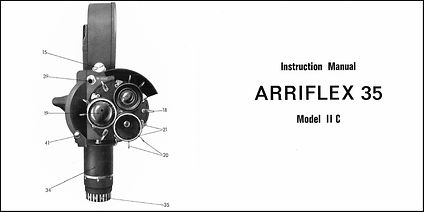
    The most successful of all ARRIFLEX 35 II cameras, the 35 IIC featured an enhanced viewing system with larger optics, interchangeable eyepieces, swappable ground glasses, and anamorphic de-squeeze. A 2-perf Techniscope version was used on films including “The Good, the Bad, and the Ugly” (1966).

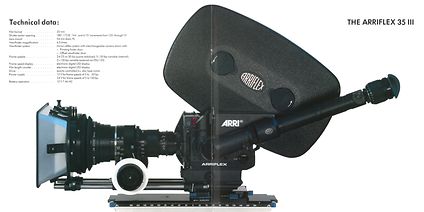
  • ARRIFLEX 35 III (1979)

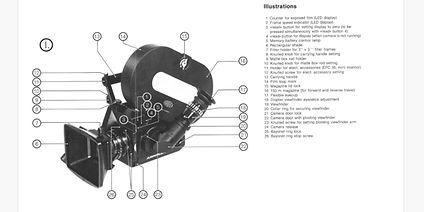
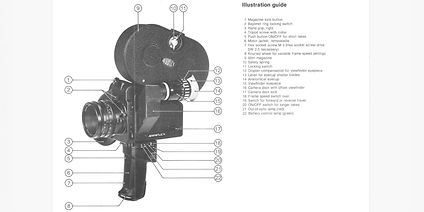
    Developing the established MOS camera body shape into a new, squarer form, the ARRIFLEX 35 III had a pin-registered movement, a single PL lens mount, and built-in digital displays. A precursor to the ARRIFLEX 435, it was often to be found on commercial and music video shoots. 

  • ARRIFLEX 35 IIIC (1982)

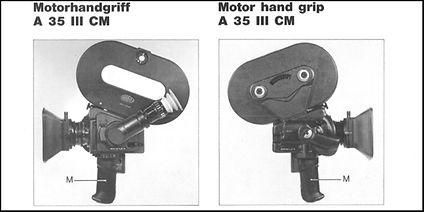
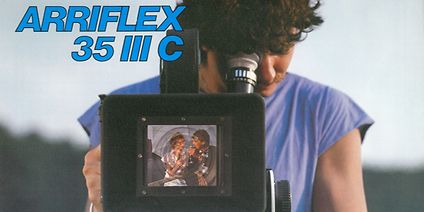
    When Jost Vacano BVK, ASC was shooting “Das Boot” (1981), he asked ARRI to develop a pivoting viewfinder for low-angle shots with his ARRIFLEX 35 IIC. The result was an entirely new camera; the 35 IIIC was the last evolutionary step of the 35 series. Its crystal-controlled motor grip was backwards-compatible with older models.

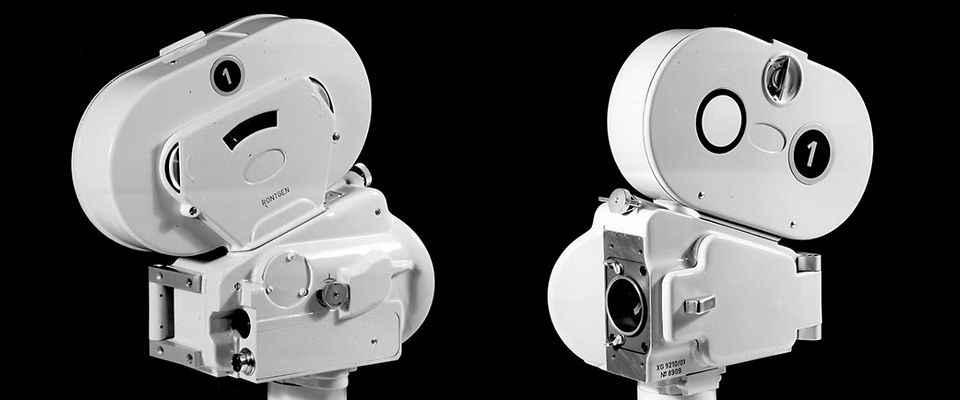
ARRIFLEX 35 ‘Röntgen’ model for medical X-ray purposes
Science and medicine

The ARRIFLEX 35 series was as well-suited to scientific and industrial applications as it was to narrative storytelling. Many cameras were sold for use with microscopes, or to record experiments, analyze motion, or even capture rocket launches. In the mid-1960s a special ‘Röntgen’ model was developed for medical X-ray purposes.

Academy Awards

  • Sci-Tech Award 1966

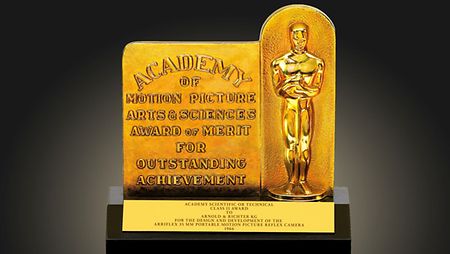
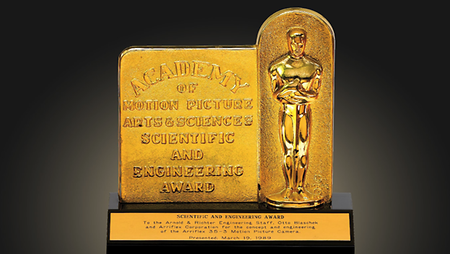
    The Academy of Motion Picture Arts and Sciences presented Arnold & Richter KG (ARRI) with its first ever Academy Award in 1966: a Sci-Tech Award for the design and development of the ARRIFLEX 35 mm portable motion picture reflex camera. 

    ARRI Academy Award 1966
  • Oscar Statuette 1982

    Scientific and Technical Award (Academy Award of Merit) to August Arnold and Erich Kaestner of Arnold & Richter GmbH for the concept and engineering of the first operational 35 mm handheld spinning-mirror reflex motion picture camera.

    Oscar Statuette 1982
  • Academy Sci-Tech Award 1979

    Scientific and Technical Award (Scientific and Engineering Award) to the Arnold & Richter engineering staff, Otto Blaschek, and the ARRIFLEX Corporation for the concept and engineering of the ARRIFLEX 35 III motion picture camera.

    ARRI Academy Sci-Tech Award 1979

Downloads