ARRIFLEX 16ST

ARRIFLEX 16ST

ARRI's reflex design conquers 16 mm

The mid-20th century brought the golden age of television. A broadening media horizon, first in the US and then the rest of the world, led to greater demand for programming from both national broadcasters and the growing private sector. The need for faster and cheaper production methods created the perfect market for 16 mm film technology.

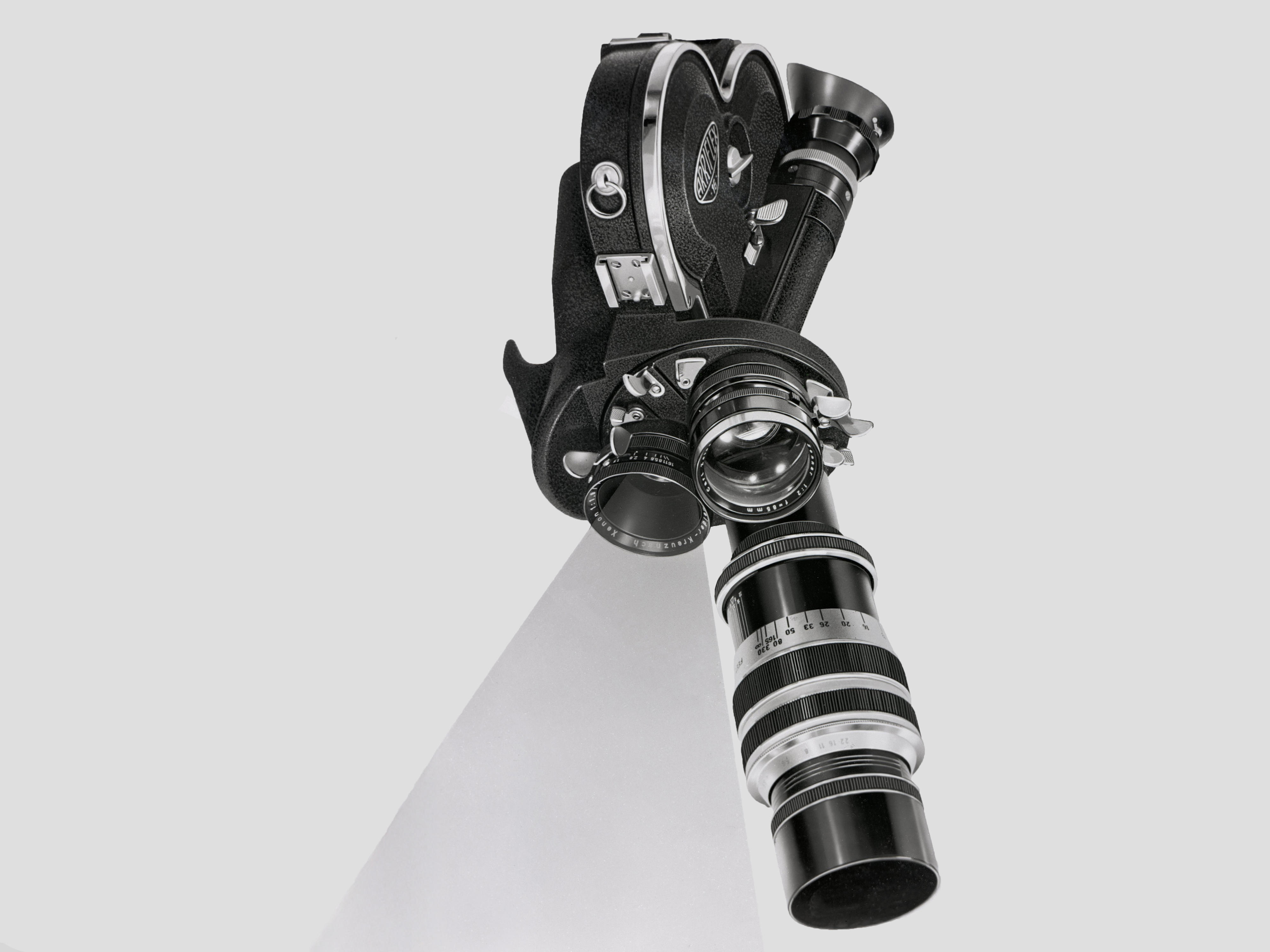
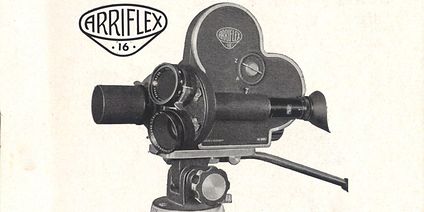
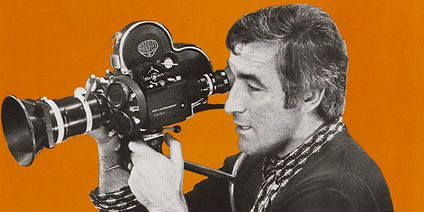
In 1950 ARRI adapted its reflex mirror shutter design for the smaller format and released the ARRIFLEX 16ST, the first professional 16 mm film camera with through-the-lens viewing. Sporting a new version of the ARRI logo, it was dubbed 16ST (or 16S in the United States) because it used the same standard ARRI lens mount as the ARRIFLEX 35.  

A ubiquitous location camera

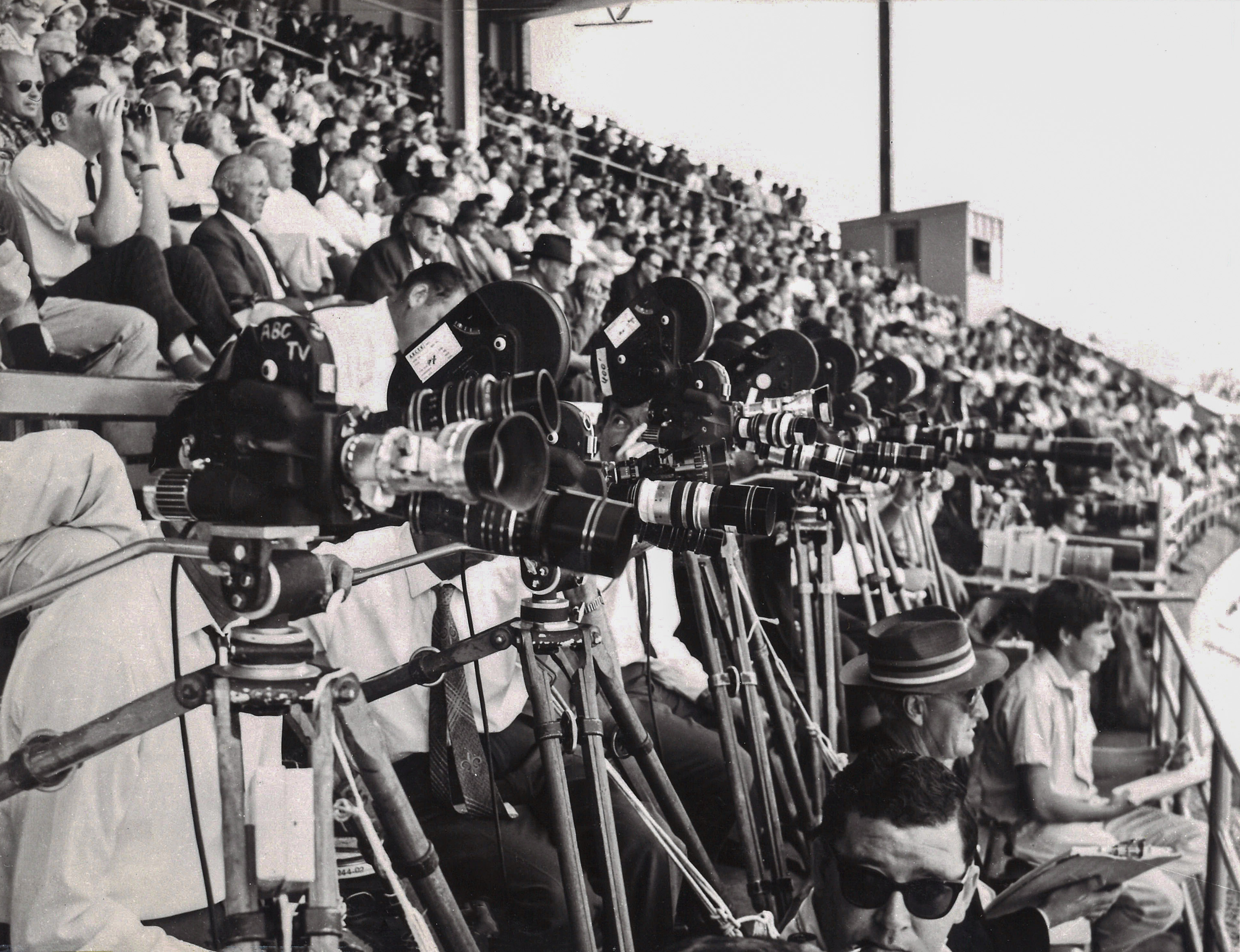
The ARRIFLEX 16ST’s compact form factor, steady image, and absolute reliability led to it becoming the default camera for location-based 16 mm filming. The television industry was expanding rapidly in the 1950s and the 16ST rode the wave, put to use for newsgathering, sports reporting, and documentaries, as well as location sequences for TV dramas. 
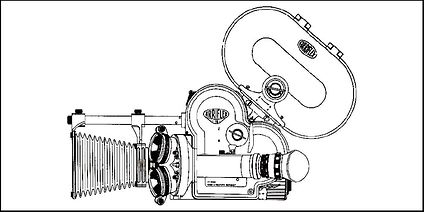
ARRIFLEX 16ST - parts

(1)  Eyepiece 
(2)  Socket for battery cable
(3)  Magazine cover plate
(4)  Film speed tachometer 
(5)  Footage counter
(6)  Frame counter
(7)  Variable speed motor

Divergent lens turret

Like the ARRIFLEX 35 series, the 16ST featured a three-lens rotating turret, allowing users to quickly switch between different focal lengths. A key difference is that the 16ST lens ports diverge outwards, so wide-angle and telephoto lenses can be combined on the turret without their fields of view overlapping.

Scalable camera builds

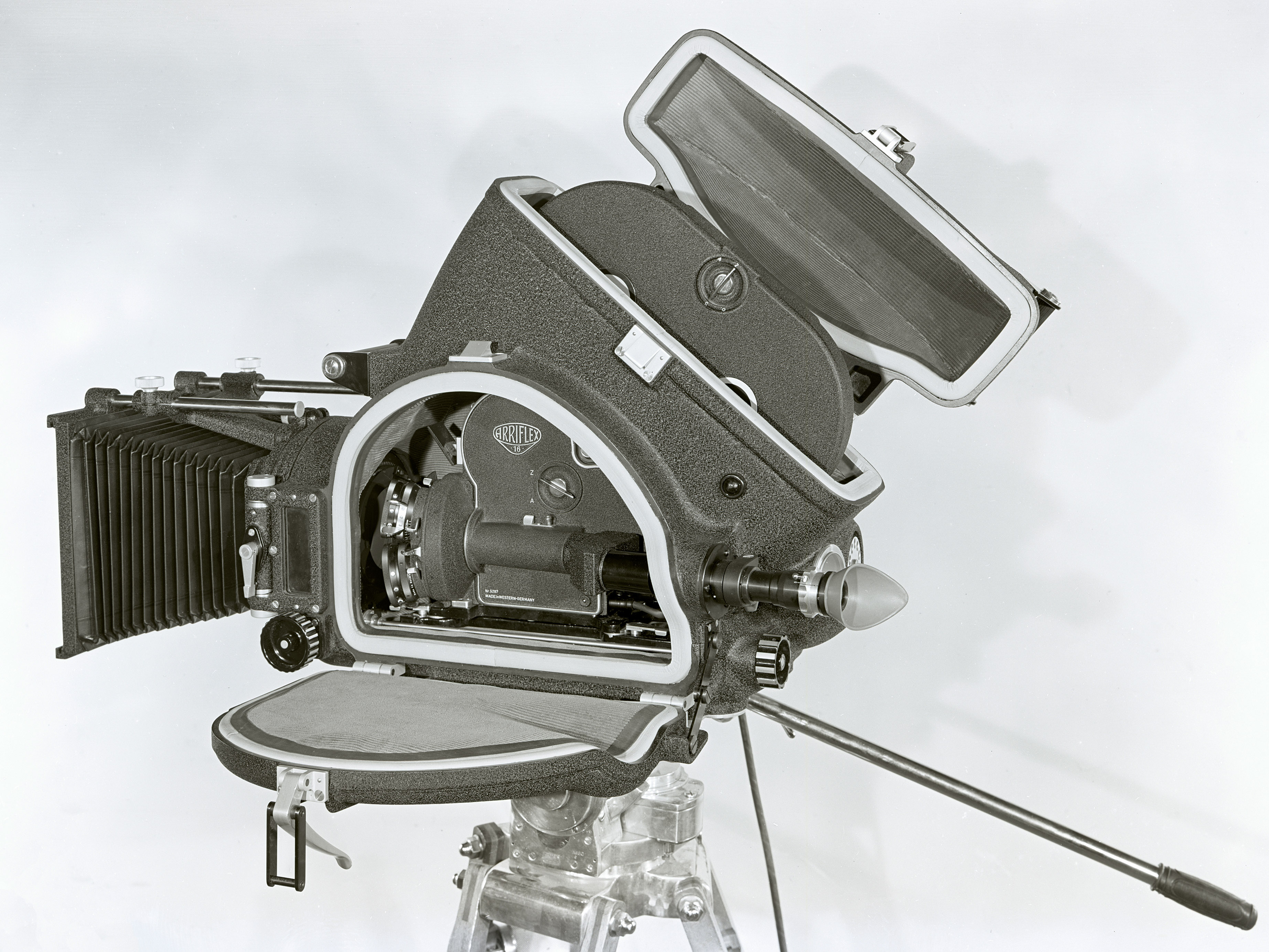
As the only ARRI camera to ever accommodate daylight-loading film spools within the camera body itself, the ARRIFLEX 16T could be used in a highly compact setup. However, it could also be used with a 400 ft magazine for longer recording times and in specially designed blimps for sync-sound shoots.

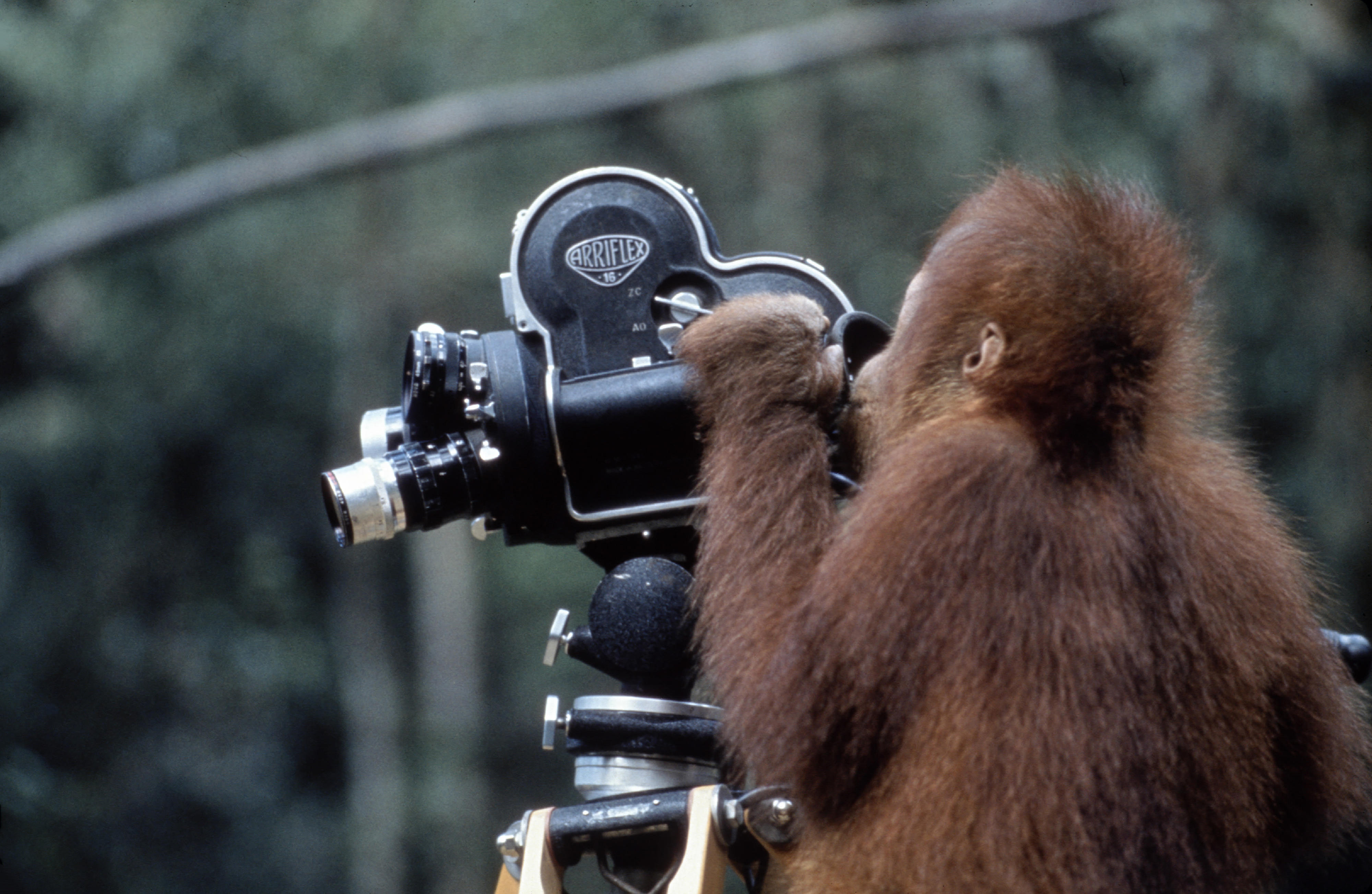
Simple to operate

Well, maybe not this simple, but simple enough for non-professionals to master its controls and operation for commercial and industrial applications, much as they would with an SLR stills camera. The 16ST is an ideal camera for teaching and practising the fundamentals of analog cinematography.

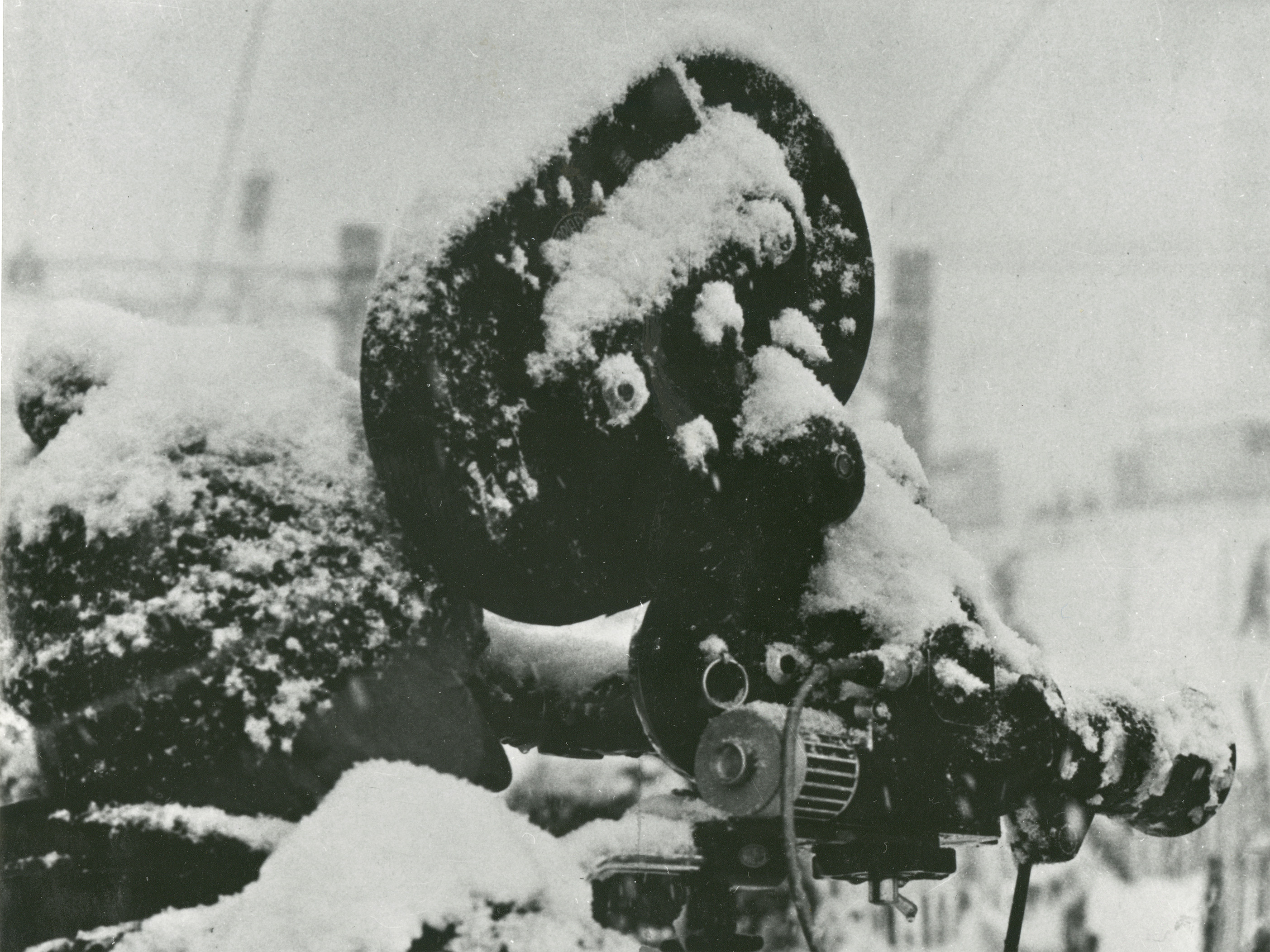
Famous durability

The ARRIFLEX 16ST had a reputation, gained through millions of feet of film exposed by thousands of users in hundreds of countries, for being virtually indestructible. It could be carried to the ends of the earth and used heavily for years without requiring significant maintenance or servicing.

ARRIFLEX 16ST accessories
Multiple accessories
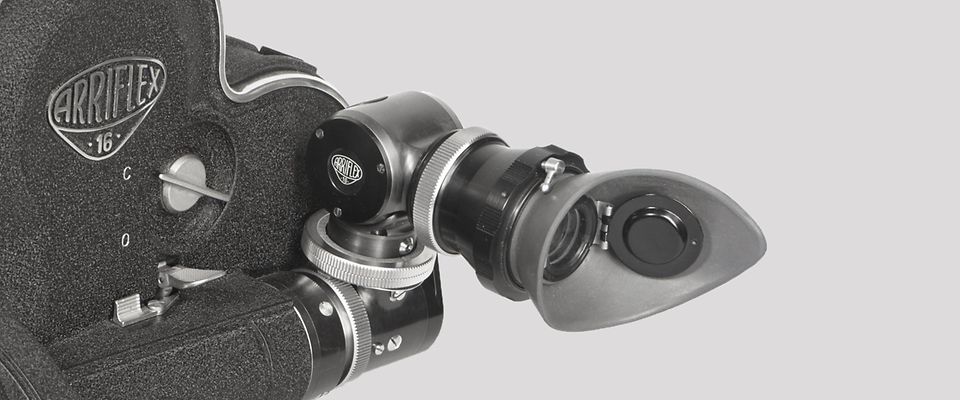
  • Periscopic viewfinder attachment
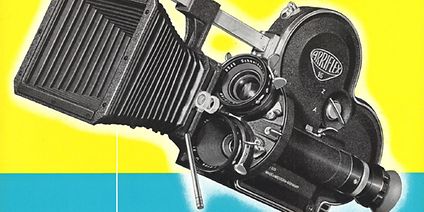
  • Matte box and filters
  • Multiple motor and battery options
  • Pistol grip and shoulder support
  • Timelapse/animation accessories
  • Pilotone generator/magnetic sound attachment

Indie darling

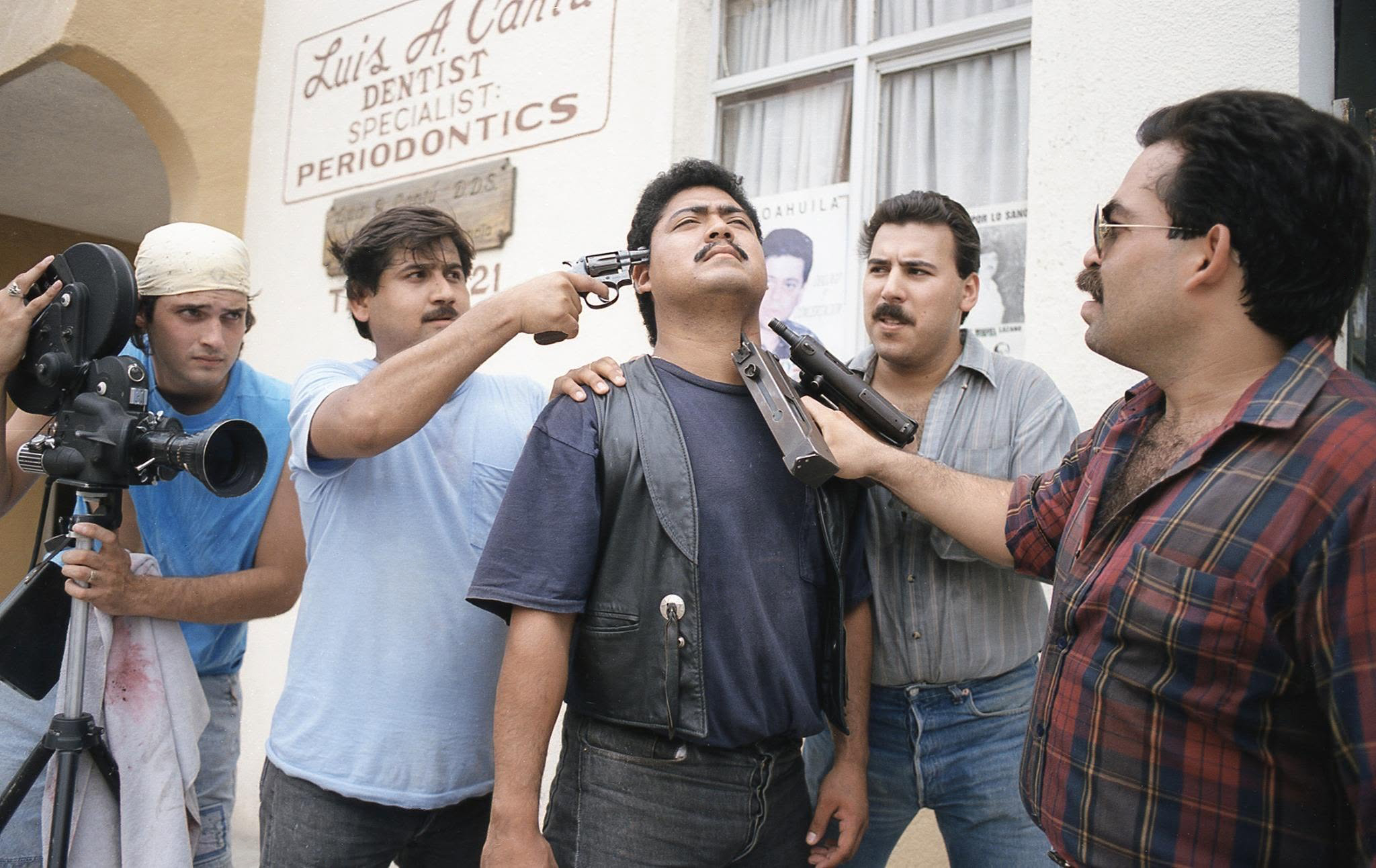
In addition to its long-running success in television, the 16ST served a huge role in introducing young directors and cinematographers to narrative filmmaking, partly because there were so many in circulation. It was a standard camera at film schools from before the 1960s when Martin Scorsese used it to shoot his first short films at NYU, right up the turn of the century. Famously, Robert Rodriguez shot his debut feature film “El Mariachi” (1992) with a 16ST and a $7,000 dollar budget.