Prototype development
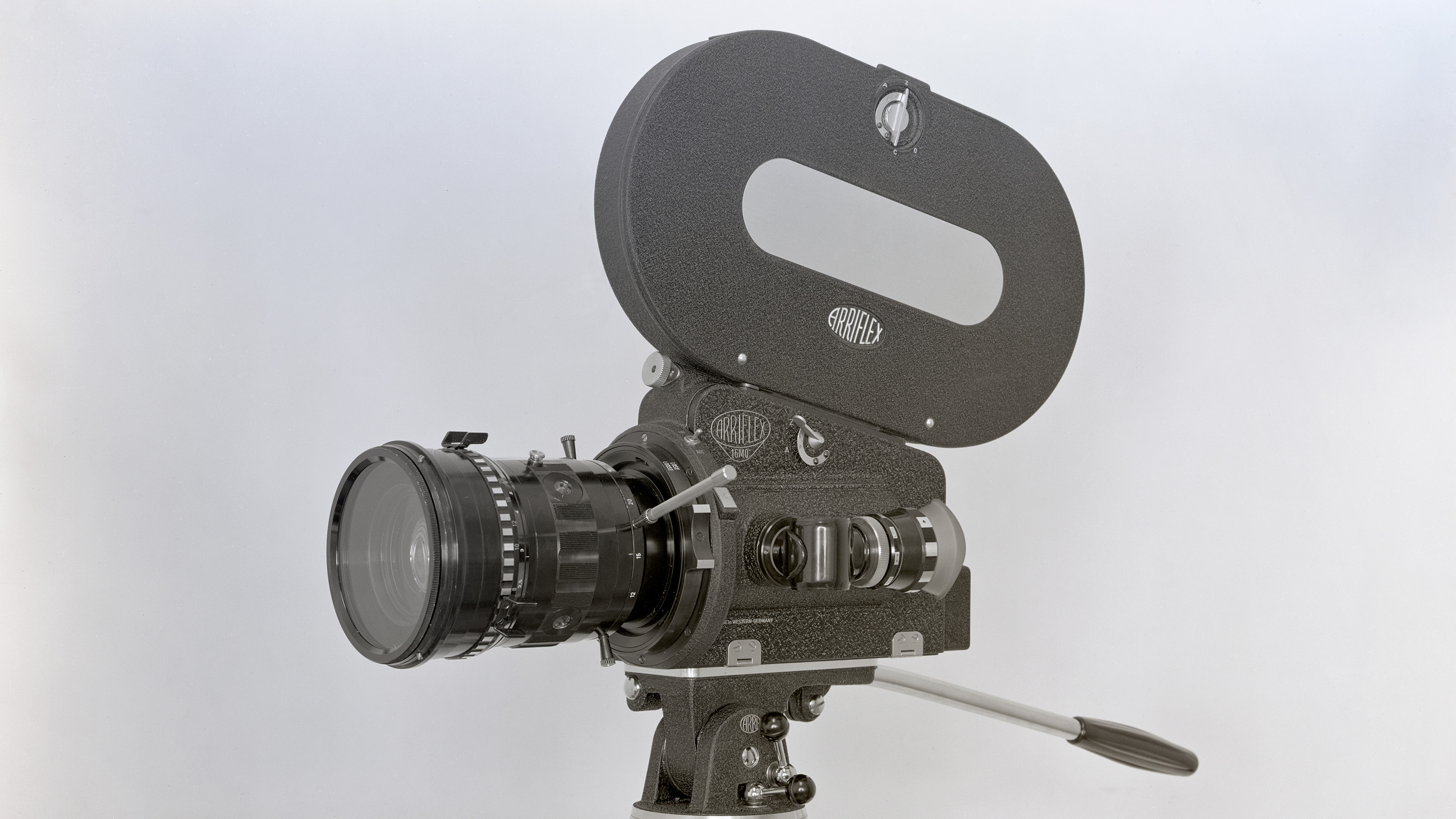


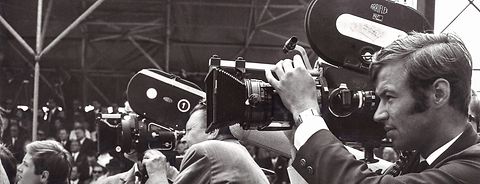
The first self-blimped ARRI camera
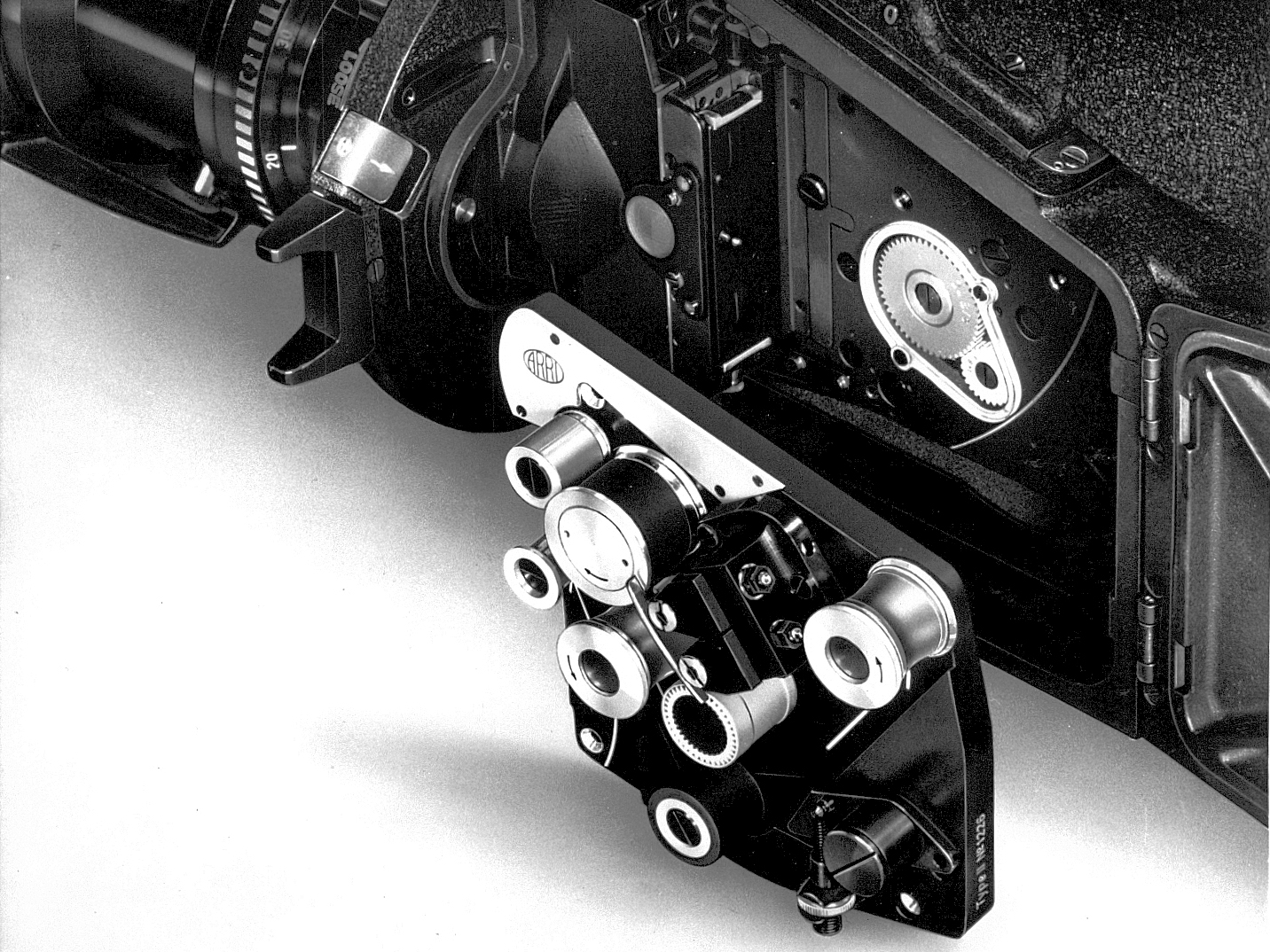
As popular as the ARRIFLEX 16ST and 16M had proved for newsgathering, by the 1960s it was clear that the market needed a sync-sound 16 mm option. ARRI launched the ARRIFLEX 16BL (Blimped Lightweight) in 1965; its moving parts were mounted on a platen that ‘floated’ within the camera housing to insulate operating noise.
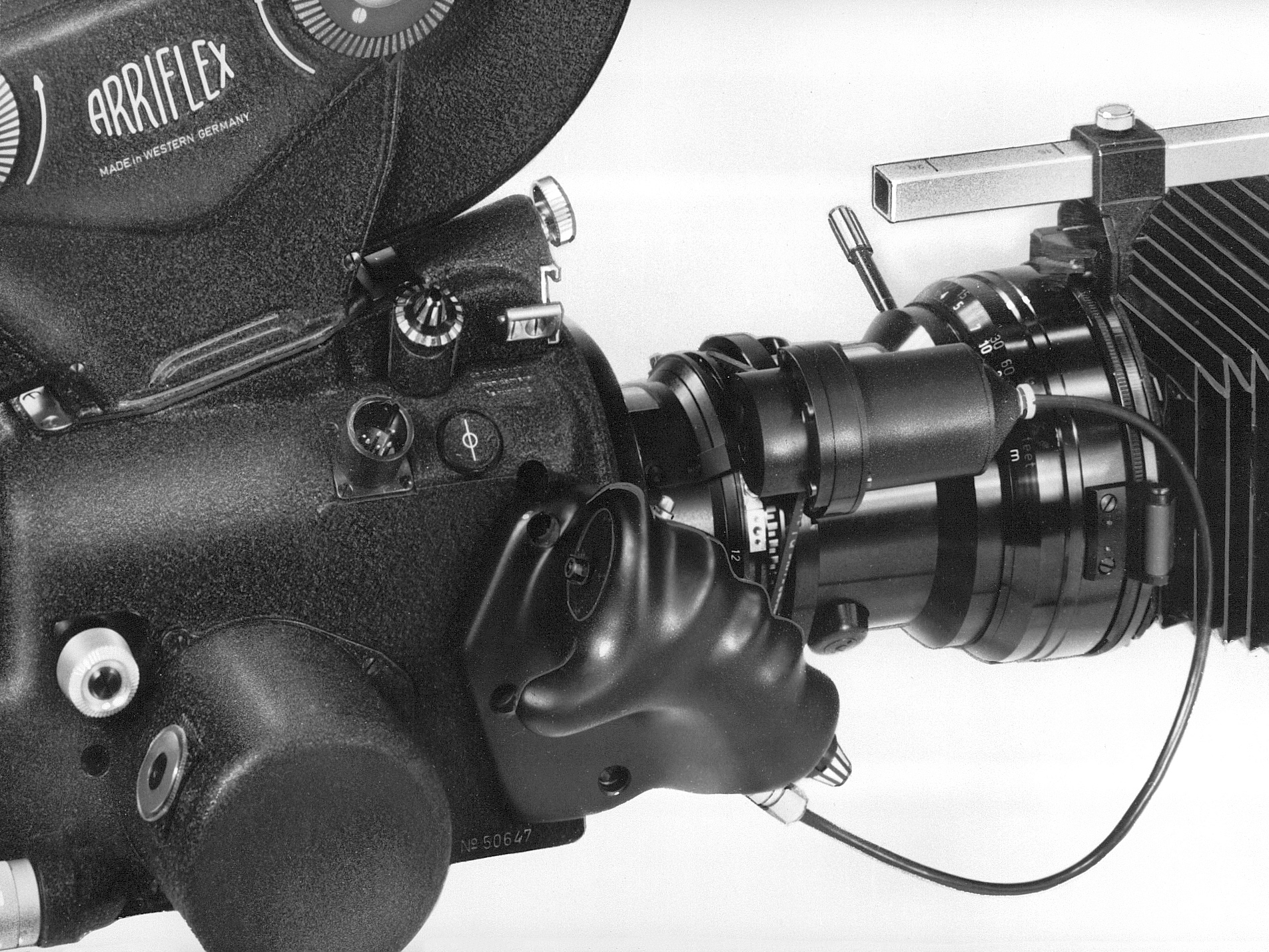
Zoom lenses were factory-installed in special lens blimps to further reduce noise levels. The lens itself connected to the film movement, while the blimp connected to the camera housing, preventing an acoustic bridge. A later version of the camera was designated 16BLEQ and featured a built-in crystal-controlled motor.
The 16BL could be used with an external magnetic tape recorder, outputting a Pilotone signal that kept the picture and sound in sync. Alternatively, a ‘single system’ sound module accessory could be fixed inside the camera to enable direct audio recording onto magnetic striped film.
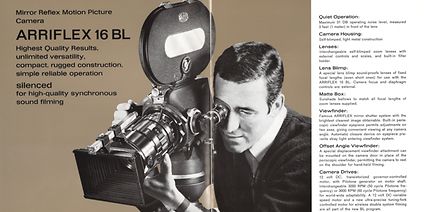
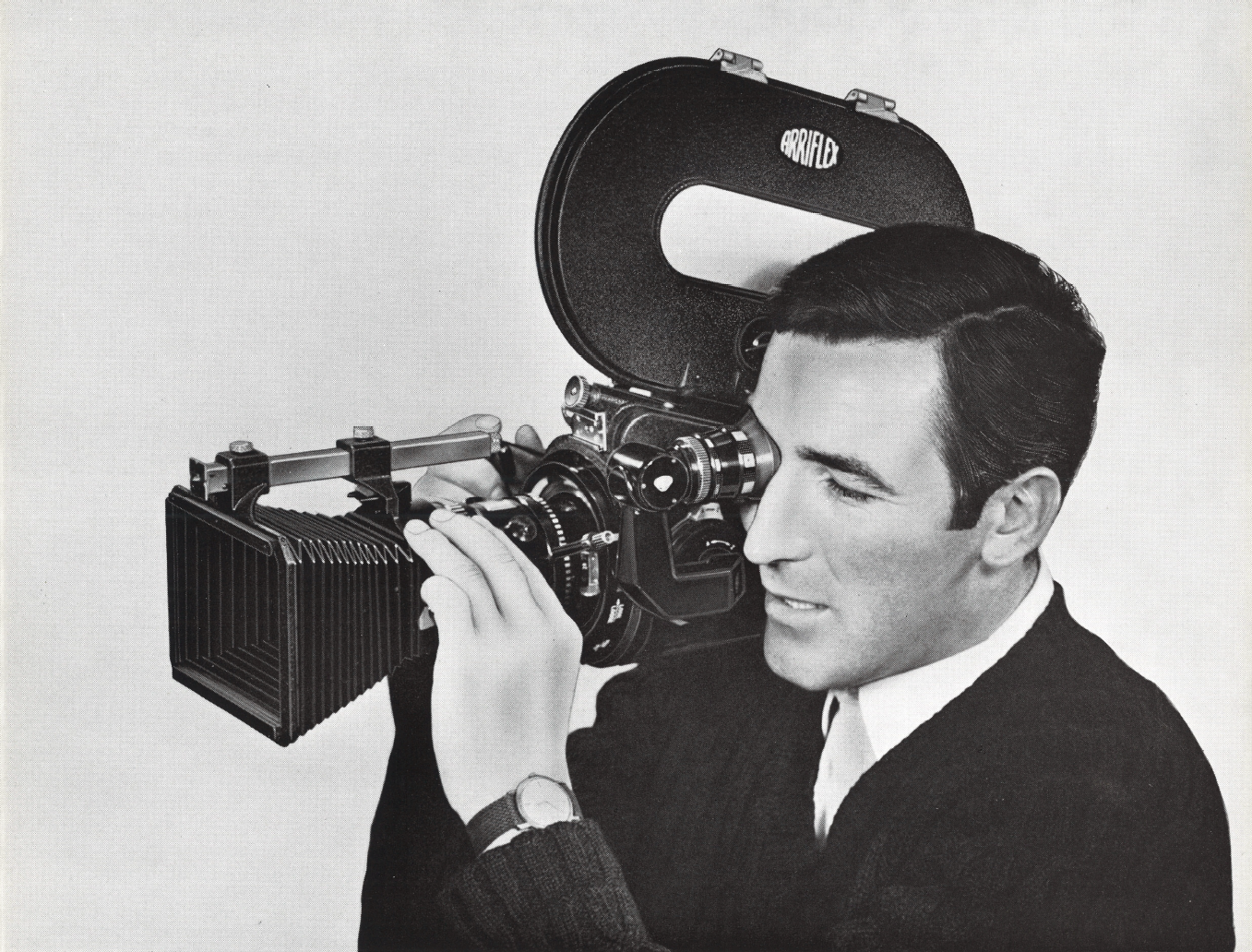
The 16BL eyepiece is further forward than on previous ARRI cameras, positioning the camera closer to a standing operator’s center of gravity. A shoulder pod accessory was offered for handheld support, or the camera could rest directly on the shoulder when used with the offset viewfinder attachment.
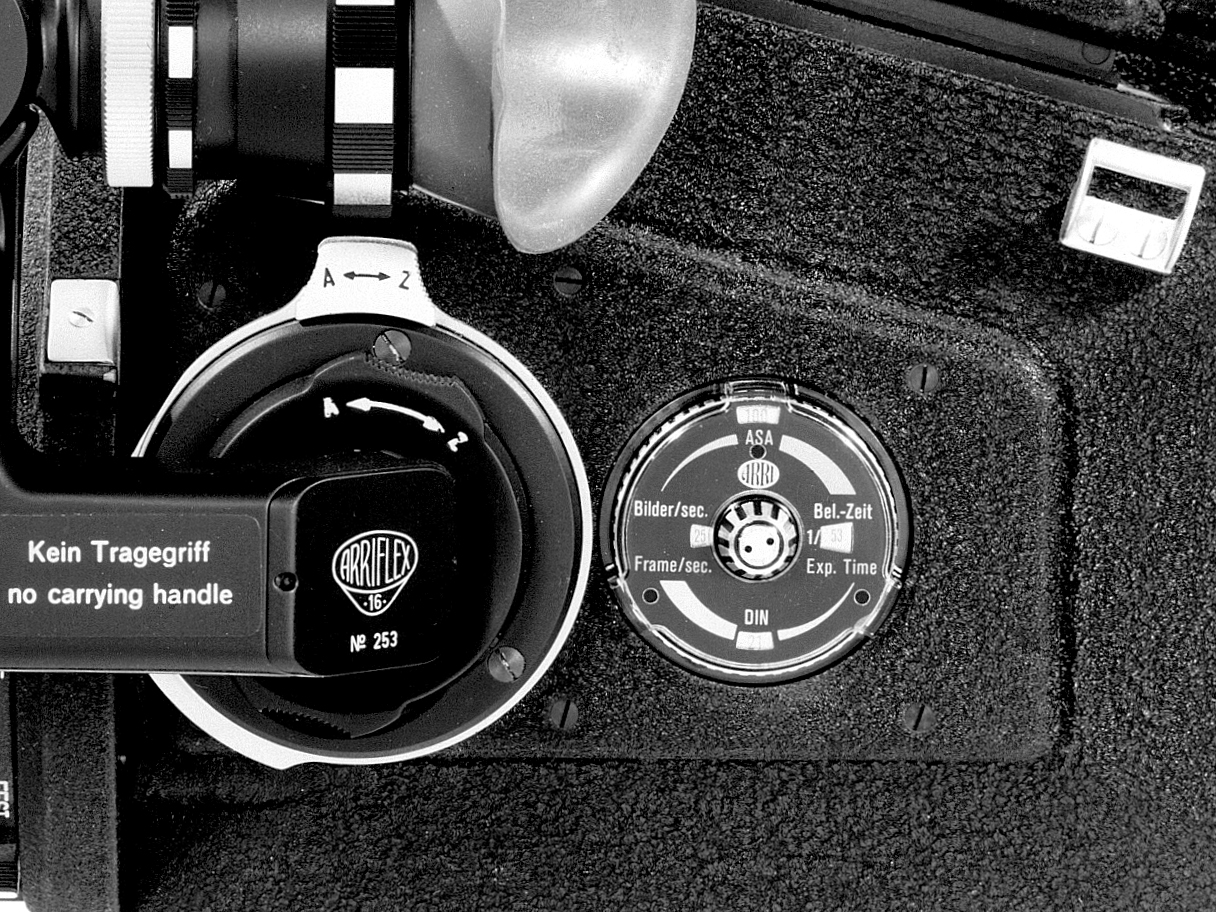
At the request of users, ARRI added a built-in exposure control device to the 16BL that was integrated into the viewing system, measuring light levels through the lens and showing exposure values in the viewfinder. The light meter uses a CD cell and has a film speed range from 16 to 500 ASA.
ARRI offered a zoom control motor that mounted to the lens blimp and was paired to an alternative version of the contoured hand grip, which incorporated not just a camera start/stop button, but also a three-way toggle switch for zoom in/out/stop and a dial for adjusting the zoom speed.